

By Topic
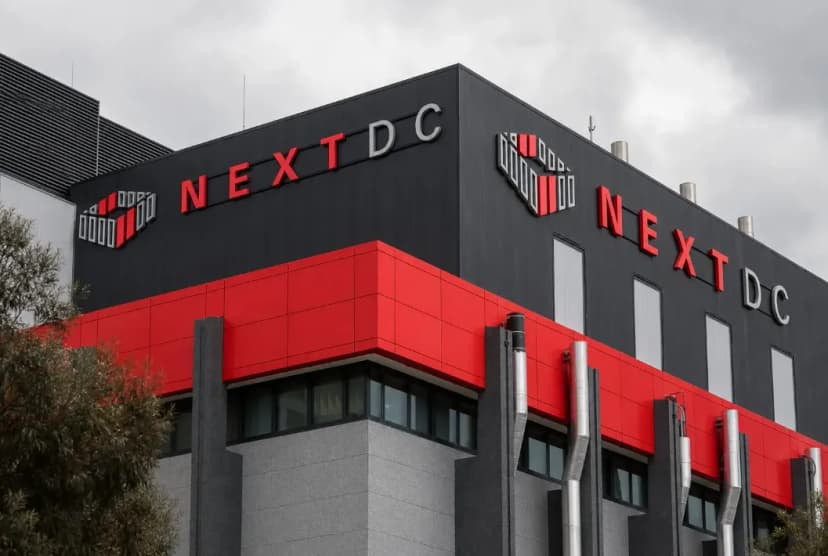
NEXTDC (ASX: NXT): AI Demand Is Surging, but Earnings Must Catch Up Before the Next Leg Higher
NEXTDC (ASX: NXT) delivers strong revenue growth and record contracted utilisation, but heavy capex and negative statutory earnings cap near-term upside. AI-driven demand supports a justified premium, yet a sustained re-rating requires profitability acceleration and clearer cash-flow visibility.

Is Breakout in Clinuvel Pharmaceuticals (ASX: CUV) Signalling a Sustainable Bullish Reversal?
CLINUVEL is a global photomedicine group commercialising SCENESSE for rare disorders while advancing vitiligo, ACTH and porphyria programs. Recent share strength reflects EMA vitiligo progress, stronger pipeline visibility and Nasdaq listing plans, though Phase III, regulatory and competition risks remain.

Avecho Biotechnology (ASX: AVE): Breakout Above Long-Term Resistance Puts Trend Sustainability in Focus
Avecho’s rally reflects Phase III CBD-insomnia progress, patent wins, and improving investor confidence. The biotech commercialises its TPM delivery platform across pharma, skincare, and animal health, while its production business supports higher-risk human health programs.

Artrya (ASX: AYA) Pulls Back After Testing Fresh 52-Week Highs
Artrya (ASX: AYA) is consolidating after a strong rally as investors assess its U.S. expansion, FDA progress, and commercial rollout of the AI-powered Salix platform. Despite the pullback, growing adoption and clinical milestones continue to support its long-term growth outlook.

Ansell (ASX: ANN): Margin Expansion and Operational Resilience Through Transition
Ansell (ASX: ANN) delivers double‑digit earnings growth, disciplined cost control, and strong cash conversion amid subdued market conditions, reinforcing margin resilience and balance‑sheet strength.

Challenger (ASX: CGF): The Business Case Behind the Recent Shift in Sentiment
Challenger (ASX: CGF) delivers disciplined growth and capital strength, positioning itself as Australia’s leading retirement‑income compounder with expanding annuity sales, resilient margins and a robust balance sheet.
...