
Global markets remained volatile as persistent inflation and geopolitical tensions reduced expectations of near-term Federal Reserve rate cuts. In Australia, high living costs, elevated fuel prices, weak consumer sentiment, and mortgage stress continue to constrain domestic demand, while the RBA maintains a cautious higher-for-longer policy stance.

Global markets were volatile as higher US rates and Saudi pipeline disruption lifted oil costs, strengthened the dollar and pressured risk assets. Australia faces slowing growth, persistent inflation and a cautious ASX, with healthcare resilient while materials, technology and real estate weakened.

Australian shares weakened as persistent inflation, higher bond yields and softer domestic activity weighed on sentiment. Resource stocks showed relative strength, while the RBA’s September 29 rate decision and guidance remain key near-term market catalysts.
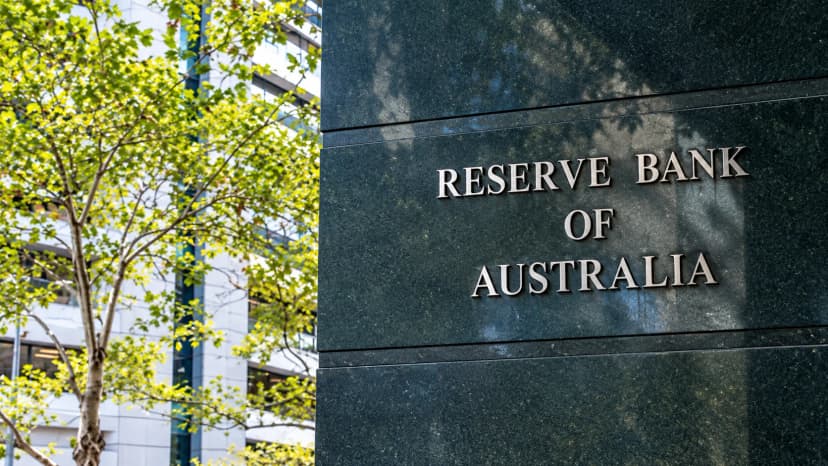
Australia's central bank lifted the cash rate to 4.60%, its highest since 2011, with more tightening priced in. Here is how higher rates reshape valuations and which ASX sectors may hold up best.

Atlantic Lithium has managed to hold its uptrend despite broader market turbulence, a sign of underlying strength in a weak environment for resource stocks. Steady buying at key support levels suggests confidence has not collapsed, supported by progress at its Ewoyaa lithium project in Ghana. This combination of solid fundamentals and constructive chart behaviour highlights resilience in a volatile, sentiment-driven sector.

Atlantic Lithium is holding up while many lithium explorers fall because it is further advanced toward production, with permitting progress at Ewoyaa, funding support, and improving lithium prices underpinning confidence. Strong drilling results and a clear path to FID differentiate it from early-stage peers. Technically, the stock remains in an uptrend with solid volume support, signalling accumulation rather than distribution and suggesting investors are backing execution, not just sentiment.
...