

By Topic

Which ASX cybersecurity stocks are best positioned to benefit from the surge in cyber spending?
Rising cyber threats, stricter regulations, and the rapid shift to cloud and AI systems are driving a sharp increase in global cybersecurity spending, and the ASX is starting to reflect that trend. The Australian cybersecurity market alone is expected to grow from about A$8.4 billion in 2025 to nearly A$19.6 billion by 2030, highlighting the scale of opportunity ahead.

Coal prices are rallying amid the ongoing energy crisis. How to get exposure on the ASX?
Coal prices are rising as global energy disruptions, particularly gas supply issues linked to Middle East tensions, push utilities to switch to coal as a reliable fallback fuel. Strong electricity demand in Asia and limited short-term alternatives are further supporting demand. Australian coal producers are well positioned to benefit, with higher prices boosting margins and cash flow, making ASX-listed coal stocks a direct way to gain exposure to this trend.

Rising fuel costs are accelerating EV sales, and these ASX lithium stocks stand to gain the most.
Rising fuel costs are speeding up EV adoption, with global sales surpassing 20 million in 2025 and now over 20% of new car sales. This directly boosts lithium demand, positioning ASX lithium stocks to benefit from both EV growth and pricing cycles.

Why Investing in the Australian Stock Market Could Be a Smart Move?
Investing in the Australian stock market offers stability, strong regulation, and exposure to globally essential industries like mining and finance. With diverse sectors and proximity to Asia’s growth, the ASX provides long-term opportunities in a mature, reliable market.
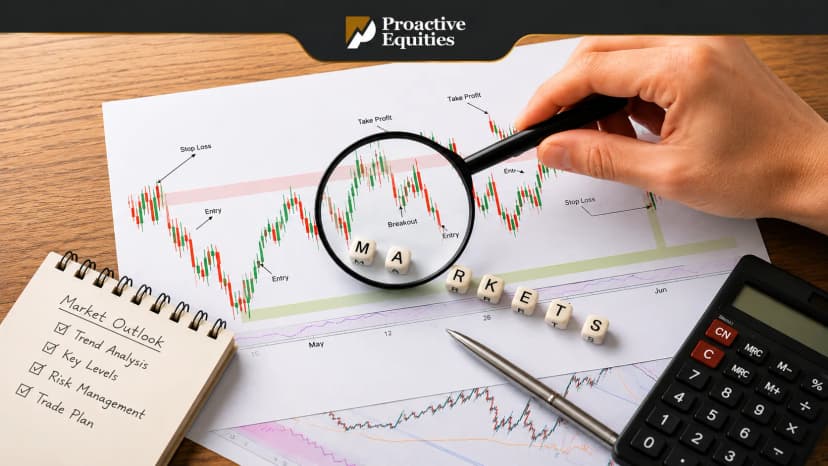
What Is a Trending Market? A Complete Guide to Identifying Trending Markets and Growing Profits
Successful trading depends on aligning with market conditions, especially trends. This article explains how to distinguish trending from range-bound markets, identify uptrends and downtrends, use key technical tools for entries and exits, and avoid common mistakes that lead to losses.

Fundamental Analysis: What It Is, Its Main Types, and How to Use It
Fundamental analysis calculates a security's intrinsic value by evaluating macroeconomic, industry, and company-specific financial data. Unlike technical analysis, this long-term strategy identifies mispriced assets based on underlying business health, though it demands significant research, reliable data, and patience
...