

Coal Stocks

Coal prices are rallying amid the ongoing energy crisis. How to get exposure on the ASX?
Coal prices are rising as global energy disruptions, particularly gas supply issues linked to Middle East tensions, push utilities to switch to coal as a reliable fallback fuel. Strong electricity demand in Asia and limited short-term alternatives are further supporting demand. Australian coal producers are well positioned to benefit, with higher prices boosting margins and cash flow, making ASX-listed coal stocks a direct way to gain exposure to this trend.
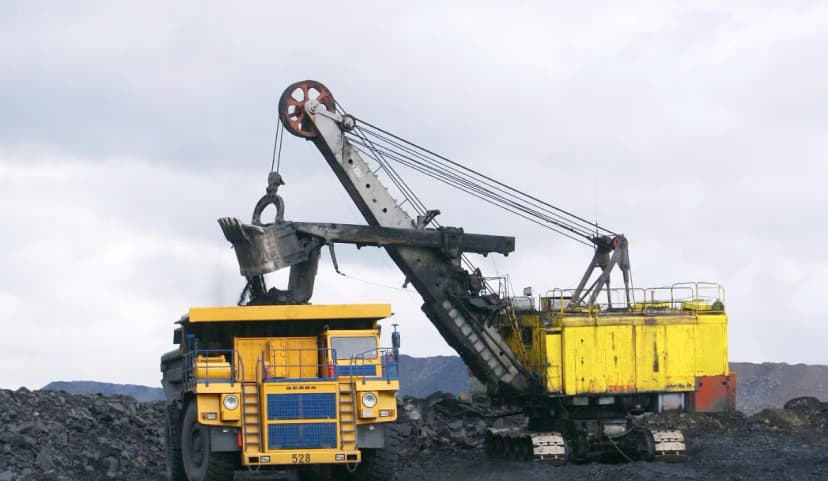
Yancoal Australia (ASX: YAL): Strong Cash Flow, Zero Debt, and Leverage to Coal Prices
Yancoal Australia is largely a pure play on global coal prices, with profits rising and falling almost directly with commodity cycles. The company has dramatically strengthened its balance sheet, eliminating over $3bn of debt and building more than $2bn in cash, giving it one of the most conservative capital structures among coal producers. Even after coal prices normalised, low operating costs allow the business to remain profitable with solid cash flow and sustainable production levels.

Investing in ASX Coal Stocks: A Complete Guide
What are Coal Stocks? Coal stocks refer to shares of companies engaged in the coal industry, encompassing various stages from extraction to energy production. These companies are integral to the energy sector, providing a significant portion of the world's electricity and industrial fuel needs.
The coal sector is divided into sub-sectors, including thermal coal producers, which supply coal for electricity generation, and metallurgical coal producers, which provide coal used in steel manufacturing. For investors considering investing in ASX coal stocks, understanding the distinction between these two markets is crucial.
What Makes Investment in Coal Stocks Attractive?
Investing in coal stocks can be appealing due to several key factors that influence their performance and potential for future growth:
1. Global Energy Demand
Despite a global shift towards renewable energy, coal remains a significant source of electricity, especially in emerging economies. Countries like India and China continue to rely heavily on coal to meet their growing energy needs, ensuring sustained demand for coal and, consequently, for ASX coal companies.
2. Metallurgical Coal in Steel Production
Metallurgical coal, essential for steel manufacturing, maintains robust demand due to its critical role in construction and infrastructure projects worldwide. This demand supports the performance of companies involved in its production, offering a different value proposition than purely thermal coal producers.
3. Supply Constraints and Price Volatility
Geopolitical tensions and regulatory challenges can disrupt coal supply chains, leading to price volatility. Such fluctuations can benefit coal companies through higher profit margins during periods of elevated prices.
4. Strategic Corporate Decisions
Some major mining companies have chosen to retain their coal assets, recognizing their profitability. For instance, Glencore decided against spinning off its coal operations, citing strong cash generation capabilities.
5. Dividend Yields and Shareholder Returns
Coal companies often offer attractive dividend yields, providing investors with regular income. This financial incentive can make coal stocks on the ASX appealing to income-focused investors.
6. Technological Advancements
Investments in cleaner coal technologies and carbon capture initiatives aim to reduce environmental impacts, potentially extending the viability of coal in the global energy mix and supporting the long-term performance of coal stocks.

Coal Mining Companies on the ASX (Areas for Investment)
The Australian Securities Exchange (ASX) hosts a range of coal stocks spanning several key sub-sectors. These include thermal coal producers, metallurgical (coking) coal producers, and diversified mining companies with significant coal operations. Each sub-sector offers distinct investment opportunities based on market demand, operational focus, and growth strategies.
1. Thermal Coal Producers
Thermal coal is primarily used for electricity generation. Companies in this sub sector often benefit from stable demand in countries where coal remains a significant energy source.
New Hope Corporation Limited (ASX: NHC): Operating mines in Queensland, New Hope has demonstrated strong financial performance, with a 35% increase in net profit to $340.3 million in the first half of 2025. The company is expanding its New Acland mine, aiming for a production rate of 5 million tonnes per year by 2027. A recent share buyback and increased dividend payouts indicate a commitment to shareholder returns.
2. Metallurgical Coal Producers
Metallurgical coal is essential for steel production, and companies in this sub-sector are positioned to benefit from industrial growth and infrastructure development.
Whitehaven Coal Limited (ASX: WHC): Whitehaven has expanded its portfolio by acquiring the Blackwater and Daunia metallurgical coal mines from BHP Mitsubishi Alliance in 2024. These assets enhance Whitehaven's position in supplying high quality coking coal to Asian markets.
Yancoal Australia Limited (ASX: YAL): As one of Australia's largest pure play coal producers, Yancoal operates multiple mines across New South Wales and Queensland, producing both thermal and metallurgical coal. The company's strategic focus includes expanding its mining capacity to meet growing demand.
3. Diversified Mining Companies with Coal Operations
Some large mining companies have diversified portfolios that include significant coal operations, offering investors exposure to coal alongside other commodities.
BHP Group Limited (ASX: BHP): While BHP has been divesting some of its coal assets, it still maintains substantial operations through the BHP Mitsubishi Alliance, which is Australia's largest coal miner and exporter, particularly in metallurgical coal.
Investment Opportunities:
Investors seeking exposure to the coal sector on the ASX have options across these sub-sectors.
Thermal coal producers like New Hope offer stable returns and dividends, appealing to income-focused investors.
Metallurgical coal producers such as Whitehaven and Yancoal are positioned to benefit from ongoing demand in steel production, offering potential for growth.
Diversified miners like BHP provide broader exposure to various commodities, including coal, which may appeal to investors seeking diversification.
How to Find Top-Performing Coal Stocks on the ASX
Identifying top performing coal stocks on the Australian Securities Exchange (ASX) requires a comprehensive evaluation of several critical factors. These elements help investors assess the potential risks and returns associated with coal investments:
1. Commodity Price Trends
Coal companies' revenues are closely tied to global coal prices. Thermal coal prices influence energy producers, while metallurgical coal prices affect companies supplying the steel industry. Monitoring these price trends is essential, as fluctuations can significantly impact profitability.
2. Production Costs and Operational Efficiency
Companies with lower production costs are better positioned to withstand price volatility. Assessing metrics such as cost per tonne and operational efficiency can provide insights into a company's resilience during market downturns.
3. Financial Health and Profitability
Evaluating financial statements for indicators like revenue growth, profit margins, and debt levels is crucial. A strong balance sheet and consistent profitability suggest a company's ability to navigate industry challenges.
4. Dividend Yields and Shareholder Returns
Many ASX-listed coal companies offer attractive dividend yields, appealing to income-focused investors with average dividend yields of 6-8% in recent years.
5. Market Demand and Export Exposure
Companies with significant exposure to high demand markets, such as India and China, may benefit from sustained demand for coal. Understanding a company's export destinations can provide insights into its growth prospects.
Expert Note: At Proactive Equities, we distinguish heavily between thermal and metallurgical coal exposure. While thermal coal faces long-term structural headwinds from the energy transition, metallurgical coal (used for steel) has fewer immediate substitutes. We filter for companies like Whitehaven Coal that are strategically pivoting towards metallurgical coal to ensure long-term viability and premium pricing power.
6. Environmental, Social, and Governance (ESG) Considerations
Investors should consider a company's ESG practices, as regulatory pressures and societal expectations increasingly influence the coal industry. Companies investing in cleaner technologies and demonstrating environmental responsibility may be better positioned for long-term success.
7. Regulatory Environment
Understanding the regulatory landscape, including potential changes in environmental policies and mining regulations, is vital. Regulatory shifts can impact operational costs and market access for coal companies.

What are the Risks of Investing in Coal Stocks?
Investing in ASX coal stocks can offer substantial returns, but it's essential to be aware of the inherent risks. Here are some key factors that can impact the performance of coal companies:
1. Regulatory and Policy Risks
Governments worldwide are implementing stricter environmental regulations to combat climate change. Such policies can increase operational costs for coal companies or even lead to the shutdown of coal-fired power plants. For instance, in developed countries, obtaining approval for new coal plants has become increasingly challenging due to environmental concerns.
2. Market Demand and Price Volatility
Coal prices are subject to fluctuations based on global demand and supply dynamics. A decline in demand, especially from major consumers like China, can lead to price drops, adversely affecting the profitability of coal companies. Additionally, competition from alternative energy sources can influence market demand.
3. Environmental, Social, and Governance (ESG) Concerns
Investors are increasingly considering ESG factors in their investment decisions. Coal companies often face scrutiny due to their environmental impact, leading to potential divestments and reduced access to capital. For example, significant investments in coal plants could become stranded assets if global climate targets are pursued aggressively.
4. Technological and Competitive Pressures
Advancements in renewable energy technologies have made alternatives like wind and solar more cost-competitive. This shift can reduce the market share of coal in the energy sector. Moreover, the high costs associated with constructing and maintaining coal plants, coupled with their environmental implications, make them less attractive compared to cleaner energy sources.
Analysis: 3 of the Best ASX Coal Stocks to Buy in 2025
Whitehaven Coal Limited (ASX: WHC)
Whitehaven Coal is a leading Australian coal producer with operations in New South Wales and Queensland, focusing on both thermal and metallurgical coal. In the first half of FY2025, the company reported an underlying net profit after tax of $328 million, a significant increase from the previous year's $262 million. Revenue doubled to $3.4 billion, supported by an average coal price of A$232 per tonne. Managed run-of-mine production reached 19.4 million tonnes, up from 10.3 million tonnes in H1 FY2024. Whitehaven's strategic acquisition of the Blackwater and Daunia mines from BHP in 2023 has bolstered its metallurgical coal portfolio. In Q3 FY2025, metallurgical coal accounted for 61% of revenue, reflecting strong demand from Asian markets. The company transitioned from a net debt of $1 billion to a net cash position of $300 million, demonstrating robust financial health.
New Hope Corporation Ltd (ASX: NHC)
New Hope Corporation is an Australian energy company specialising in thermal coal production, with key operations at the Bengalla mine in New South Wales and the New Acland mine in Queensland. In the first half of FY2025, the company reported a 35% increase in net profit to $340.3 million, driven by a 44% surge in coal sales to 5.4 million tonnes. Revenue rose 19% to $1.02 billion, despite a 15% decline in the realised coal price per tonne. Operationally, the Bengalla mine maintained its annual production capacity of 13.4 million tonnes, while the New Acland mine ramped up output significantly, producing 1.2 million tonnes in the half year a 300% increase.
Yancoal Australia Ltd (ASX: YAL)
Yancoal Australia is one of Australia's largest coal producers, operating a portfolio of thermal and metallurgical coal mines across New South Wales and Queensland. In 2024, the company reported revenue of A$6.86 billion, down from A$7.78 billion in 2023, primarily due to a 24% decrease in the average realised coal price to A$176 per tonne. Despite this, Yancoal achieved a 14% increase in attributable coal sales and a 10% rise in saleable coal production, reaching 47.8 million tonnes on a 100% basis. Operating EBITDA stood at A$2.58 billion, with a margin of 37%, demonstrating the company's ability to maintain strong financial performance amid lower coal prices. In the first quarter of 2025, Yancoal reported a cash balance increase of A$136 million, ending the quarter with A$2.6 billion.

FAQs on Investing in Coal Stocks
Which stocks are referred to as Coal Stocks?
Coal stocks are shares of companies involved in coal extraction, processing, and energy production, such as Whitehaven Coal (WHC), New Hope Corporation (NHC), and Yancoal Australia (YAL).
What makes investment in Coal Stocks attractive?
Coal stocks are appealing due to stable global demand (especially in Asia), high dividend yields, strategic acquisitions, and strong financial performance despite the energy transition.
What are some of the high-risk factors associated with investing in Coal Stocks?
Key risks include regulatory pressure from climate policies, demand fluctuations due to alternative energy sources, ESG concerns, and price volatility driven by global supply-demand shifts.
Which are the best Coal Stocks to buy now?
Whitehaven Coal, New Hope Corporation, and Yancoal Australia are leading ASX listed coal stocks with strong operational results, resilient outlooks, and consistent shareholder returns, ideal for investors seeking value and income.