

Cybersecurity
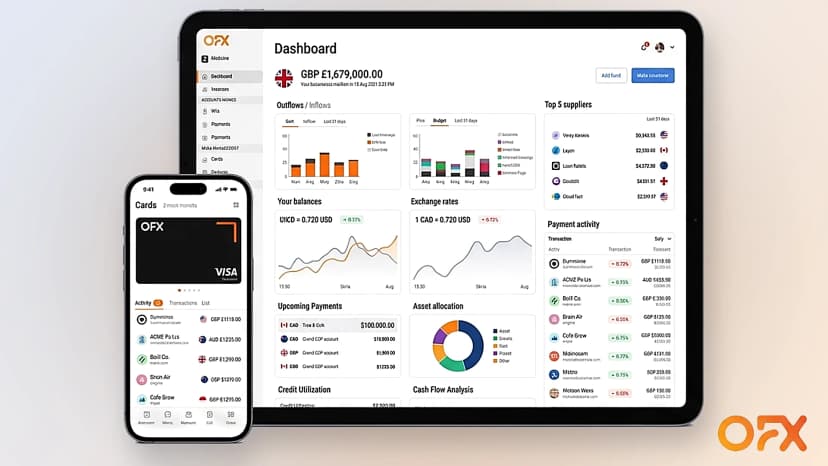
OFX Group (ASX: OFX): Cyber Scare Puts $1 Equals Takeover under the Microscope
OFX Group (ASX: OFX) is probing a cyber incident involving unauthorised data access while its $1 Equals takeover awaits financing, and Funds SA has dropped below the 5% substantial holder threshold.

Data#3 (ASX: DTL): 40% Profit Jump from One-Offs, but Can Growth Last?
Data#3 (ASX: DTL) expects first-half profit before tax to jump more than 40%, helped by one-off deals and extra interest income. Investors now weigh whether full-year earnings growth can hold up.

Excite Technology Services (ASX: EXT): $3.2M Government Renewal Puts Cyber Turnaround to the Test
Excite Technology Services (ASX: EXT) has locked in a $3.2 million, 24-month extension with a federal agency, its first big win since restructuring, as the cybersecurity small-cap works to prove its turnaround.
Investing in ASX Cybersecurity Stocks: A Complete Guide
When we talk about “Cybersecurity Stocks,” we’re referring to shares in companies that keep our digital world safe, think software that blocks malware, hardware that encrypts sensitive data, or consulting services that patch up vulnerabilities. These firms sit across several sub-sectors: cloud-based protection platforms (spotting threats before they strike), identity and access management (making sure the right users get access), network and endpoint defences (securing devices and internal traffic), incident response and forensics (helping recover after a breach), and encryption and data control (locking down information itself).
Globally, cybersecurity spending is surging, thanks to daily hacks and rising regulation, making these stocks especially relevant. In Australia, although relatively young, public cybersecurity-listed firms are commanding attention for their high-growth potential and critical role in digital infrastructure. For those exploring the broader technology sector, understanding ASX cybersecurity stocks is no longer optional; it’s a key component of a modern portfolio.

What Makes Investment in Cybersecurity Stocks Attractive?
The world is spinning ever faster into the digital. That means more data, more devices, and unfortunately, more threats. In response, businesses, governments, and everyday users are locked in a race to protect systems. That creates a robust and growing demand for cybersecurity solutions. With daily cyberattacks running into the hundreds of millions and rising regulatory expectations, cybersecurity isn't just a trendy sector; it’s a vital shield. Here are five reasons why investing in cybersecurity stocks is compelling:
1. Exploding Demand Fueled by Rising Threats
Daily brings fresh headlines, data breaches, ransomware, and targeted attacks. Microsoft reports an astounding 600 million cyberattacks per day, while the global cost of data breaches has climbed steadily, with IBM putting the average breach cost at around US$4.9 million in 2024. In Australia, investors are watching a cybersecurity market grow from AU$8.4 billion in 2025 to nearly AU$20 billion by 2030, a compound annual growth rate of 18.4%. As digital threats escalate, businesses and governments must invest more, so cybersecurity firms rack up contracts, recurring revenue, and long-term growth.
2. Non-Discretionary Nature of Security Spending
Unlike fashion or luxury goods, cybersecurity isn’t optional. It’s essential. Boards and regulators increasingly insist on robust defences. That means spending in this area tends to hold firm when times get tough. Experts view cybersecurity stocks as offering some defensive tilt, tech with staying power, even in market downturns.
3. AI Integration Boosting both Risk and Reward
We’re entering a world where Artificial Intelligence (AI) accelerates cyberattacks, making even novices equipped to launch complex hacks, and simultaneously provides advanced tools to combat them. Cybersecurity providers that embed AI, like threat hunting, anomaly detection, and hyper-automated response, are seen as future leaders. AI is both the problem and the solution, and that cycle keeps funding and innovation flowing.
4. Global Exposure through ETFs
If cherry-picking individual stocks feels tricky, ETFs like the BetaShares Global Cybersecurity ETF (HACK) offer broad exposure to leading global players in one trade. It’s an efficient, diversified way to tap into cybersecurity growth, especially handy given the limited number of big ASX-listed names.
5. Consolidation and M&A Catalysts
Australia’s cybersecurity industry is consolidating, and that brings opportunity. Just last week, Accenture paid over A$1 billion to acquire local cybersecurity firm CyberCX, underscoring how high demand has pushed valuations higher. Consolidation tends to lift share prices and valuations, especially when global players enter the local scene. For investors, that's a profitable tailwind.
Listed Cyber Security Companies in Australia (ASX)
On the ASX, the cybersecurity landscape is emerging, with well known players across several sub-sectors:
1. Consumer and Educational Protection
One of the largest by market cap is Qoria (ASX: QOR), formerly Family Zone. It provides tools for parents and schools to manage screen time, block cyberbullying, and ensure safe browsing. It serves over 29,000 schools and 25 million children worldwide. Its strength lies in a niche focus on safe digital environments for families and education, backed by sticky subscriptions and strong adoption.
2. Network Encryption and Government-Grade Security
Senetas (ASX: SEN), a Melbourne-based specialty provider, creates global encryption solutions for governments and businesses. Their hardware and cloud services secure large scale data streams and meet high standards in data protection. That client base, government and enterprise, adds contract stability and recurring revenue potential.
3. Security Analytics and Log Management
Prophecy International (ASX: PRO) builds platforms like EMite and Snare, SaaS analytics and real-time threat monitoring tools. These are used to quickly detect and respond to anomalies in systems, helping organisations manage cyber threats at scale.
4. Cloud-Based Managed Cybersecurity
FirstWave Cloud Technology (ASX: FCT) offers CyberCision, a unified platform that automates cybersecurity and network management for service providers. It simplifies service delivery, an attractive proposition for clients looking for efficiency and strong monitoring in one package.
5. Data-Centric Security Solutions
ArchTIS (ASX: AR9) specialises in safeguarding sensitive data by providing solutions such as NC Protect (for Microsoft environments) and Kojensi, a collaboration platform for handling classified or sensitive government and humanitarian information.
6. Broader IT/Cloud Providers with Cybersecurity Arms
Macquarie Technology Group (ASX: MAQ) isn’t a pure-play cybersecurity company, but is a significant player offering secure cloud, data centres, and cyber services across government and enterprise clients. Their infrastructure footprint and security service lines make them a bellwether in cross-sector digital resilience.
Where the Best Opportunities Lie:
Enterprise & Government Contracts offer steady, multi-year income; providers like Senetas or ArchTIS fit here.
SaaS & Managed Security Platforms, Prophecy or FirstWave, hold appeal for scalable margins and modern adoption curves.
Niche, High-Margin Providers, like Qoria in educational protection, offer specialised markets with less head-to-head competition.
Infrastructure Security Players, like Macquarie, combine digital services with cybersecurity offerings, providing stability and diversified earnings.

How to Evaluate Cybersecurity Stocks on the ASX
Cybersecurity is more than just code and firewalls; it’s about trust, protection, and anticipating evolving threats. For investors navigating the ASX landscape, the challenge lies in identifying companies with strong fundamentals and a forward-thinking strategy.
1. Traction and Recurring Revenue
Look into whether a cybersecurity company has durable client relationships, monthly or yearly contracts that keep checks coming even through market swings. Are schools subscribing to Qoria year after year? Does Senetas renew government encryption deals? Recurring billing means visibility and predictability. High churn can be a red flag; it suggests clients aren’t finding value. A company showing revenue growth and retention is built to scale and withstand short-term volatility.
Expert Note: At Proactive Equities, tracking Annual Recurring Revenue (ARR) is a cornerstone of our analysis for tech and cybersecurity stocks. A high-quality, "sticky" recurring revenue base, like that sought by Qoria or Senetas, is a key indicator of a strong business moat and a critical factor in our valuation models before we make any recommendation.
2. Innovation and AI Integration
Given the AI-driven evolution of cyber threats, companies that bake in advanced analytics and automation, like AI powered threat detection, stand out. Investors should ask: Does the company continuously upgrade with new technologies? Are they keeping an edge? Firms doing so are more likely to win contracts and weather disruption. If AI is baked into platform upgrades or incident detection, that indicates forward-thinking, which often translates into valuation multiples.
3. Regulatory and Contract Exposure
Just how protected is the company’s client base? If they’re supplying governments, regulated industries (health, finance, education), or secure data environments, that often means higher talent barriers and stickier contracts. These clients can carry rigorous audits and testing, creating a moat. Conversely, if a company sells commoditised tools to the general business, competition increases and price pressure rises quickly.
4. Balance Sheet Strength and Cash Flow
Cybersecurity isn’t cheap; R&D, innovation, and response tools require funding. Watch key metrics: does the firm generate positive cash flow, or rely heavily on capital raises? Companies that are cash flow positive or have conservative debt profiles are less vulnerable to downturns or delays in client onboarding. Financial resilience matters as much as tech edge in an industry prone to sudden shifts.

What are the Risks of Investing in Cybersecurity Stocks?
Cybersecurity firms are busy building the shields of tomorrow, but even the best shields can crack. For investors, this means navigating unexpected vulnerabilities that can sideline companies: shifting technology, shifting regulations, and even changing markets. Here's a look at five critical risks that can trip up ASX cybersecurity stocks, where strong demand meets real-world fragility.
1. Technology Obsolescence in a Rapidly Evolving Field
Cyber threats and their countermeasures evolve daily. A company that doesn’t keep pace with innovative hacking techniques, AI-enabled breaches, or cloud vulnerability risks will be sidelined. Firms stuck on legacy systems or slow to adapt lose credibility fast. The competitive landscape is constantly shifting; complacency can spell obsolescence, especially if a competitor launches a superior, automated, AI-driven threat response while you’re still relying on older tools.
2. High Valuation Pressure and Sentiment Swings
Cybersecurity stocks often command premium valuations because they’re seen as high growth and essential. But sentiment can change: a breach at a competitor or a failed product launch can spook markets. Overvaluation means any hiccup can lead to sharp pulls, especially if growth doesn’t meet expectations. The promise of consistent demand can mask short-term volatility.
3. Concentration Risk and Long Sales Cycles
Many ASX-listed cybersecurity firms focus on big contracts (education systems, government departments). Landing one major client can swing the balance sheet, but losing that account can clear revenue out fast. These long, high-stakes sales processes make earnings lumpy and sensitive to contract renewal timing, introducing periodic jitters into stock prices.
4. Regulatory and Geopolitical Risks
Cybersecurity firms often operate at the intersection of regulation, privacy laws, and national security. A shift in data sovereignty rules, export restrictions, or public sector budget cuts can jolt revenues. Additionally, encrypted solutions or collaboration platform exports may face geopolitical scrutiny, impacting international growth or prompting sudden compliance costs.
5. Integration and Execution Risk amid M&A Activity
With consolidation heating up, think Accenture’s acquisition of CyberCX, remaining firms may undergo growth through merger or deal speculation. Integration is risky: blending teams, systems, cultures, and tech isn’t always smooth. If the integration fails, earnings can falter, clients might leave, and investor confidence crumbles. Even without M&A, rapid scaling can strain operations, customer support, and product quality.

Conclusion: The Verdict on Investing in ASX Cybersecurity Stocks
Investing in ASX cybersecurity stocks offers clear exposure to a non discretionary, high growth sector. While the list of local players is more niche than in the US, companies like Qoria (ASX: QOR) and Senetas (ASX: SEN) provide unique access to specific, sticky markets. As this guide has shown, success requires a sharp eye. Investors must weigh the attractive demand against significant risks like rapid obsolescence and high valuations. A thorough evaluation of recurring revenue, AI integration, and balance sheet health is essential to separate the long-term winners from the hype.
FAQs on Investing in Cybersecurity Stocks
Which stocks are referred to as Cybersecurity Stocks?
These companies offer digital protection services across software, hardware, and consulting, like threat detection, encryption, access management, or incident response.
What makes investment in Cybersecurity Stocks attractive?
Rising cyber threats, non-discretionary spending, AI-driven innovations, ETFs offering easy access, and consolidation upside make cybersecurity firms compelling long-term plays.
What are some high-risk factors associated with investing in Cybersecurity Stocks?
Watch out for rapid obsolescence, valuation volatility, customer concentration, regulatory exposure, and integration or scaling challenges.