

Lithium Stocks
.webp&w=828&q=75)
EAU Lithium (ASX: EAU): New Identity and DLE Partnerships Advance Bolivia Lithium Development
EAU Lithium (ASX: EAU) has rebranded from Cosmos Exploration and secured DLE technology and project execution agreements to advance lithium projects in Bolivia and establish a framework for future project development.
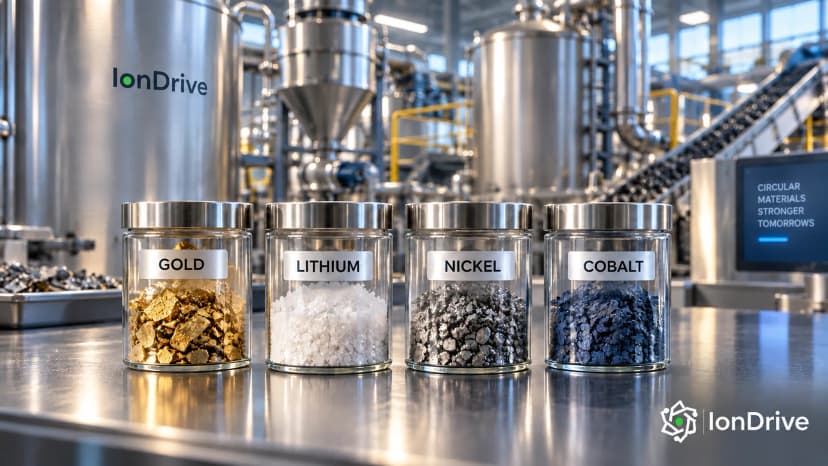
IonDrive (ASX: ION): Hits a Six-Year High on Rare Earth Validation and US Production
IonDrive (ASX: ION) shares surged 24% to a six-year high after an updated technical and economic evaluation of its IONSolv rare earth recycling process, extending a quarterly rally of nearly 280%. With a first commercial-scale production campaign in North America.
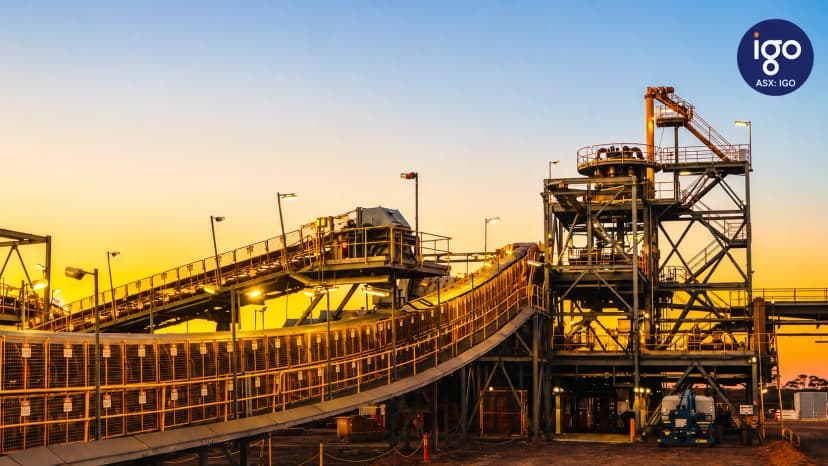
IGO (ASX: IGO): Operational Discipline and Strategic Refocus Amid Energy Transition
IGO (ASX: IGO) delivers strong FY26 results with disciplined execution, expanding margins at Greenbushes and Nova, and strategic portfolio optimisation aligned with global energy transition.
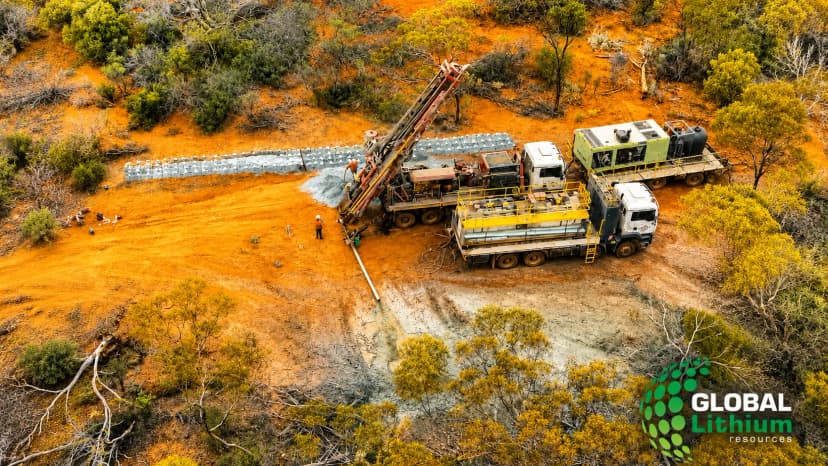
Global Lithium Resources (ASX: GL1): Accelerated Integration Toward First Spodumene Production
Global Lithium Resources is advancing Manna-Nova integration to target DSO in early 2027 and spodumene concentrate by mid-2027. Nova infrastructure, offtake, prepayment funding and asset-sale proceeds strengthen its pathway to FID, although permitting, funding, execution and lithium-price risks remain.
.webp&w=828&q=75)
Liontown (ASX: LTR) Lithium Roar Hits a Fault Line: Kathleen Valley Advances as LTR Breaks Support
Liontown is transitioning from development to production as Kathleen Valley ramps up. While operational progress continues, weakness in the lithium market and technical selling have weighed sentiment, making execution, costs, and expansion progress key factors for investors.
.webp&w=828&q=75)
Vulcan Energy Resources (ASX: VUL): Zero‑Carbon Ambition, Strategic Progress, and Repricing Potential
Vulcan Energy Resources (ASX: VUL) advances its Zero Carbon Lithium project with progressing development, strategic partnerships, and strengthened funding pathways, positioning the company as a unique European lithium supplier amid rising demand for decarbonised battery materials.
Investing in ASX Lithium Stocks: A Complete Guide
What are Lithium Stocks? Lithium stocks refer to shares in companies involved in the lithium industry, encompassing exploration, extraction, processing, and battery production. These companies are integral to the supply chain of lithium, a metal essential for rechargeable batteries used in electric vehicles (EVs), smartphones, and renewable energy storage systems.
The sector comprises several sub-sectors: lithium mining companies extract lithium from brine or hard rock sources; refining companies process it into battery-grade materials; and battery manufacturers produce lithium-ion batteries for various applications. For those considering investing in ASX lithium stocks, this sector offers direct exposure to the growing demand for clean energy technologies and the global transition towards electrification.
What Makes Investment in Lithium Stocks Attractive?
Investing in lithium stocks is considered attractive due to several key factors that influence their performance and suggest potential for future growth. These factors collectively contribute to the attractiveness of investing in lithium stocks, as they suggest a growing market with supportive policies and technological advancements:
1. Rising Demand for Electric Vehicles (EVs)
The global shift towards EVs is a significant driver of lithium demand. As more consumers and governments prioritize sustainable transportation, the need for lithium-ion batteries, which power these vehicles, increases. This trend supports the growth of companies involved in lithium extraction and battery production.
2. Energy Storage Solutions & Green Energy
Beyond EVs, lithium-ion batteries are essential for renewable energy storage systems. As the world moves towards cleaner energy sources like solar and wind, the demand for efficient energy storage solutions grows, further boosting the lithium market.
3. Government Support and Policies
Many governments recognize lithium as a critical mineral and have implemented policies to support its production and use. For instance, the U.S. government has extended a 10% production tax credit to lithium mining activities, aiming to enhance the EV battery supply chain domestically. Such policies can positively impact lithium companies' profitability and stock performance.
4. Technological Advancements
Innovations in lithium extraction and battery technology can lead to more efficient production processes and cost reductions. These advancements can improve the competitiveness of lithium companies and make their stocks more appealing to investors.
5. Strategic Investments and Mergers
Major companies are investing heavily in lithium projects, indicating confidence in the sector's future. For example, Rio Tinto's acquisition of Arcadium Lithium for $6.7 billion underscores the strategic importance of lithium in the global market in 2024. Such investments can lead to increased production capacity and market consolidation, potentially benefiting shareholders.
6. Supply Constraints and Market Dynamics
While demand is rising, lithium supply faces challenges due to the time and capital required to develop new mining projects. This imbalance can lead to supply shortages, driving up prices and benefiting existing producers.

Lithium Mining Companies on the ASX (Areas for Investment)
The Australian Securities Exchange (ASX) hosts a diverse array of lithium focused companies spanning various stages of the lithium supply chain. These can be broadly categorised into mining and exploration, refining and processing, and battery technology. Each sub-sector offers distinct investment opportunities.
1. Mining and Exploration
This sub-sector includes companies engaged in the discovery and extraction of lithium resources.
Pilbara Minerals Ltd (ASX: PLS): Operates the Pilgangoora Project in Western Australia, one of the world's largest hard-rock lithium operations. PLS has focused on cost reduction strategies to maintain viability amidst fluctuating lithium prices.
Liontown Resources Ltd (ASX: LTR): Developing the Kathleen Valley Lithium Project, aiming to become a significant supplier to the global battery materials market.
2. Refining and Processing
Companies in this category focus on converting raw lithium into battery-grade materials.
Mineral Resources Ltd (ASX: MIN): Engaged in both mining and processing, with joint ventures in lithium hydroxide production facilities.
IGO Ltd (ASX: IGO): Through its joint venture with Tianqi Lithium, IGO is involved in the Kwinana Lithium Hydroxide Refinery, contributing to Australia's downstream processing capabilities.
3. Lithium Battery Stocks & Technology
This emerging sub-sector includes companies developing battery technologies and recycling solutions:
Vulcan Energy Resources Ltd (ASX: VUL): Pursuing the Zero Carbon Lithium™ project in Germany, aiming to produce lithium hydroxide with net-zero carbon emissions using geothermal energy.
Sayona Mining Ltd (ASX: SYA): Involved in lithium projects in Canada and Australia, with a focus on supplying the North American battery market.
(Note: For investors seeking diversified exposure to the battery theme, an ASX lithium ETF or battery tech ETF can provide broad market access.
Investment Opportunities:
Established Miners: Companies like Pilbara Minerals and Mineral Resources offer more stable investment opportunities due to their existing operations and revenue streams.
Emerging Developers: Firms such as Liontown Resources and Sayona Mining present higher growth potential, albeit with increased risk associated with project development stages.
Innovative Technologies: Entities like Vulcan Energy Resources provide exposure to cutting-edge, environmentally sustainable lithium production methods, aligning with global decarbonisation trends.
How to Find Top-Performing Lithium Stocks on the ASX
Identifying top performing lithium stocks on the ASX involves a comprehensive evaluation of various factors that influence a company's potential for growth and resilience in the dynamic lithium market. Here are key considerations:
1. Production Costs and Operational Efficiency
Companies with lower production costs are better positioned to withstand market volatility. For instance, Pilbara Minerals operates in the 30th percentile for production costs among ASX producers, indicating a competitive advantage in cost efficiency.
2. Financial Health and Debt Levels
A strong balance sheet is crucial. Pilbara Minerals maintains a debt-to-EBITDA ratio of 0.6x, reflecting financial stability. In contrast, higher leverage ratios, such as IGO Ltd's 3.2x, may indicate increased financial risk.
3. Project Development Stage
Assess whether a company is in exploration, development, or production. Producers like Liontown Resources, which commenced commercial production at its Kathleen Valley mine in January 2025, may offer more immediate revenue prospects compared to explorers.
4. Resource Quality and Reserve Estimates
High-grade and sizable lithium reserves are indicative of long-term viability. For example, Delta Lithium's Mount Ida project boasts a JORC-compliant resource of 14.6 million tonnes at 1.2% lithium oxide.
Expert Note: At Proactive Equities, our analysis of the lithium sector goes beyond just resource size. We critically evaluate the "grade" of the lithium and the "impurity profile." A large resource with low grade or high impurities can be incredibly expensive to process. We filter for companies like Pilbara Minerals that possess high-quality, hard-rock assets which allow for lower processing costs and better margins, ensuring they remain profitable even when lithium prices dip.
5. Technological Innovation and Sustainability
Companies employing advanced, environmentally friendly extraction methods may have a competitive edge. Vulcan Energy Resources utilizes geothermal energy for lithium extraction, aiming for net-zero carbon emissions, which aligns with global sustainability trends.
6. Market Demand and Offtake Agreements
Securing long-term contracts with battery manufacturers or automakers can provide revenue stability. Such agreements demonstrate market confidence and reduce exposure to spot price fluctuations.
7. Regulatory Environment and Government Support
Favorable policies and incentives can enhance project feasibility. Government support for critical minerals, including lithium, may facilitate funding and streamline permitting processes.

What are the Risks of Investing in Lithium Stocks?
Investing in ASX lithium stocks can offer substantial growth potential, but it also comes with several risks that investors should consider:
1. Market Volatility and Price Fluctuations
Lithium prices are subject to significant volatility due to supply-demand imbalances. For instance, lithium prices have fallen over 80% since early 2023, impacting the profitability of mining companies and leading to project delays and workforce reductions.
2. Regulatory and Political Risks
Lithium projects which operate in regions with complex regulatory environments are exposed to jurisdiction risks. For example, AVZ Minerals faced legal disputes and license revocations in the Democratic Republic of Congo, leading to operational uncertainties and financial losses.
3. Environmental and Social Concerns
Lithium mining can have significant environmental impacts, leading to opposition from local communities and environmental groups. The Thacker Pass lithium project in Nevada faced legal challenges from Indigenous tribes and environmentalists concerned about cultural sites and ecological damage.
4. Technological and Competitive Risks
The rapid evolution of battery technologies poses a risk to lithium demand. Emerging alternatives like sodium-ion batteries could reduce reliance on lithium, affecting the long-term viability of lithium-focused companies.
Analysis: 3 of the Best ASX Lithium Stocks to Buy in 2025
Pilbara Minerals Ltd (ASX: PLS)
Pilbara Minerals is a leading Australian lithium producer, operating the Pilgangoora Project in Western Australia, one of the world's largest hard-rock lithium operations. The company has focused on cost reduction strategies to maintain viability amidst fluctuating lithium prices. In 2025, analysts have set an average price target of AU$2.14 for PLS shares, with estimates ranging from AU$1.30 to AU$3.50, reflecting confidence in the company's growth prospects. Despite recent market challenges, including a 58% decline in share price since November 2022, the company maintains a strong financial position with a cash balance of A$1.1 billion. In the March 2025 quarter, Pilbara Minerals reported a 34% decrease in production to 125,000 tonnes, attributed to the Ngungaju plant being placed in care and maintenance and the impact of Cyclone Zelia. Despite these setbacks, the company continues to focus on cost reduction strategies and technological upgrades to enhance operational efficiency.
Liontown Resources Ltd (ASX: LTR)
Liontown Resources is advancing the Kathleen Valley Lithium Project in Western Australia, targeting production of high-grade lithium concentrate. The project has secured binding offtake agreements with major automakers, ensuring a steady demand for its product. Analysts forecast earnings and revenue growth rates of 59.8% and 36.4% per annum, respectively. Liontown Resources is navigating a challenging lithium market in 2025, marked by oversupply and declining prices. The company has scaled back production at its Kathleen Valley mine, reducing its annual output target from 3 million to 2.8 million tonnes starting FY26, and is implementing cost-saving measures aiming for $100 million in reductions. In Q1 FY25, Liontown reported revenue of A$104 million, with a 10% improvement in lithium recovery rates to 64% and a positive operating cash flow of A$14 million. The company secured a A$15 million interest-free loan from the Western Australian Government, providing financial relief. The company's focus on developing a Tier-1 battery metals asset with excellent grade and scale positions it favorably in the global lithium market
IGO Limited (ASX: IGO)
IGO Limited is a diversified mining company with significant interests in lithium, nickel, copper, and cobalt. Through its joint venture with Tianqi Lithium, IGO is involved in the Kwinana Lithium Hydroxide Refinery, contributing to Australia's downstream processing capabilities. Analysts have set an average one-year price target of AU$4.72 for IGO shares. IGO remains a significant player in Australia's lithium sector, primarily through its 49% stake in the Greenbushes lithium mine. In the March 2025 quarter, Greenbushes maintained strong performance, producing 798,000 tonnes of spodumene concentrate in the first half of FY25. Despite recent challenges, including a reported loss per share of AU$1.03 in the first half of 2025, IGO's diversified portfolio and strategic investments in battery minerals position it for long-term growth. The company's commitment to clean energy metals aligns with global sustainability trends, enhancing its appeal to investors

FAQs on Investing in Lithium Stocks
Which stocks are referred to as Lithium Stocks?
Lithium stocks are shares in companies involved in mining, processing, or using lithium for batteries and clean energy technologies.
What makes investment in the Lithium Stocks attractive?
Rising EV demand, energy storage needs, government support, and limited supply make lithium stocks attractive for long-term growth.
What are some of the high-risk factors associated with investing in Lithium Stocks?
Major risks include price volatility, regulatory hurdles, environmental concerns, and emerging battery technologies.
Which are the best Lithium Stocks to buy now?
Pilbara Minerals, Liontown Resources, and IGO Ltd stand out, but market timing and due diligence remain essential.