

Rare Earth Stocks
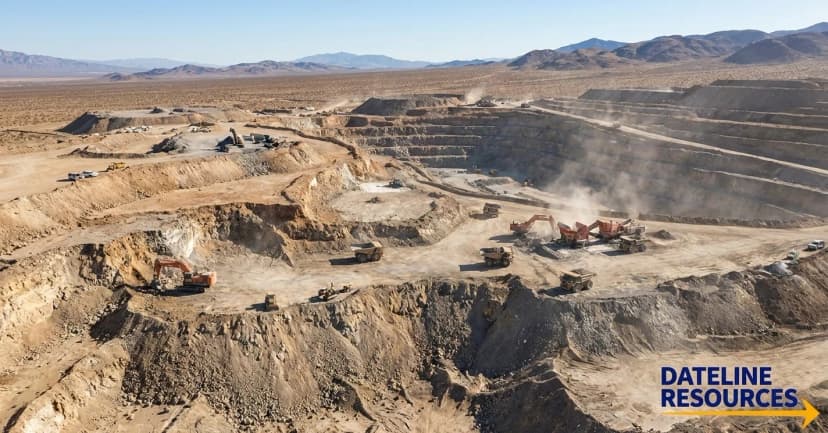
Dateline Resources (ASX: DTR): National Security Case Gives Colosseum Rare Earths Bid New Life
Dateline Resources (ASX: DTR) has gained US Department of War backing in its bid to restart Colosseum, a gold and rare earths project in California, as a key court hearing nears.

Critica (ASX: CRI): Recent Breakout Meets New Fundamental Signals From Mt Lindsay
Critica (ASX: CRI) released a Mt Lindsay Scoping Study showing a $1 billion NPV underground tin-tungsten operation, though shares eased on the day. With funding pathways still being explored, the company continues advancing its Jupiter rare earths project in parallel.
.webp&w=828&q=75)
Mount Ridley Mines (ASX: MRD): Selectro Process Impresses as Shares Approach Resistance
Mount Ridley Mines (ASX: MRD) achieved a 91.8% scandium recovery breakthrough with its Selectro™ process, using half the reagent dose, at its largest scandium resource. Shares trade in an uptrend, though technicals suggest limited room for an entry at current levels.
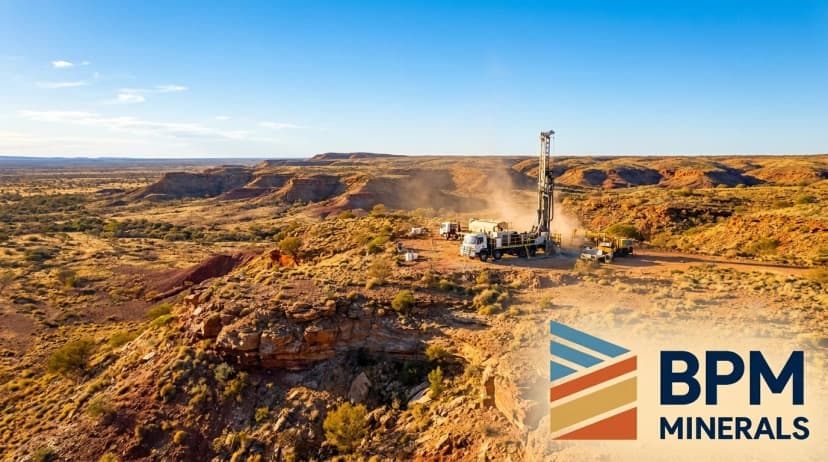
BPM Minerals (ASX: BPM): Forelands Gold Project Momentum Sparks a Chart Breakout
BPM Minerals (ASX: BPM) is drilling its flagship Forelands Gold Project, targeting a maiden resource at Beachcomber. Shares broke out above $0.24 on strong volume, though the stock remains a speculative early-stage explorer dependent on upcoming assay results.
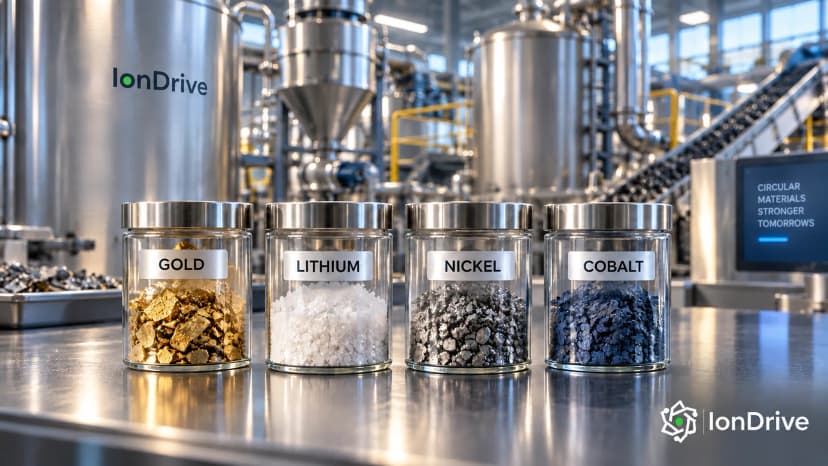
IonDrive (ASX: ION): Hits a Six-Year High on Rare Earth Validation and US Production
IonDrive (ASX: ION) shares surged 24% to a six-year high after an updated technical and economic evaluation of its IONSolv rare earth recycling process, extending a quarterly rally of nearly 280%. With a first commercial-scale production campaign in North America.
.webp&w=828&q=75)
Meteoric Resources (ASX: MEI): Low-Cost Mining, Billion-Dollar DFS, and a Path to Production
Meteoric Resources (ASX: MEI) delivers a robust DFS for its Caldeira Rare Earth Project, confirming Tier‑1 scale, low‑cost production, and strategic positioning in global rare‑earth supply chains.
Investing in ASX Rare Earth Stocks: A Complete Guide
What are REEs Stocks? Rare Earth Elements (REEs) stocks represent shares of companies engaged in the extraction, processing, or application of rare earth elements, 17 metals vital for technologies like electric vehicles, wind turbines, and military systems.
These stocks are categorized into three sub-sectors: upstream, involving mining companies such as Arafura and Lynas Rare Earths; midstream, focusing on refining and separation processes, exemplified by Iluka Resources; and downstream, encompassing firms that manufacture end products like permanent magnets, including Neo Performance Materials. The sector is gaining prominence as nations aim to reduce reliance on China's dominant position in the supply chain. For those considering investing in ASX rare earth stocks, this geopolitical pivot creates a unique investment thesis.
What Makes Investment in the REEs Stocks Attractive?
Investing in ASX rare earth stocks has become increasingly attractive due to their critical role in modern technologies and the evolving geopolitical landscape. Several key factors drive the performance of these rare earth materials stocks and suggest potential for future growth.
1. Essential Role in Clean Energy and Technology
REEs are indispensable in the production of high-performance magnets used in electric vehicles (EVs), wind turbines, and various electronic devices. As the global push for clean energy intensifies, the demand for these elements is projected to rise significantly. For instance, the rare earth metals market is expected to reach USD 16.26 billion by 2032, driven by increasing demand in electronics and renewable energy sectors.
2. Geopolitical Dynamics and Supply Chain Concerns
China currently dominates the global supply of REEs, accounting for approximately 90% of production. Recent export restrictions by China have highlighted the vulnerability of global supply chains, prompting countries like the United States and Australia to invest in domestic mining and processing capabilities. These geopolitical tensions have led to increased investor interest in non-Chinese REE producers.
3. Government Initiatives and Strategic Investments
Recognizing the strategic importance of REEs, governments are implementing policies to secure their supply. The U.S. has initiated efforts to establish a domestic supply chain, including funding for companies like MP Materials to develop processing facilities. Similarly, Australia is investing in projects to enhance its REE production capacity. These initiatives not only aim to reduce dependency on imports but also present growth opportunities for companies involved in the REE sector.
4. Diversification and Recycling Efforts
To mitigate supply risks, there is a growing emphasis on recycling REEs and exploring alternative sources. Companies specializing in the recycling of rare earth elements are gaining attention as they offer sustainable solutions to meet the increasing demand. Investing in such companies provides exposure to the REE market while addressing environmental concerns.
5. Market Volatility and Investment Opportunities
While the REE market is subject to price volatility due to geopolitical factors and supply-demand imbalances, this volatility can create investment opportunities. Analysts suggest that the current market dynamics favor strategic investments in REE stocks, particularly those positioned to benefit from the global shift towards clean energy and technological advancements.

ASX Rare Earth Stocks List (Areas for Investment)
Investing in REEs stocks on the ASX presents a compelling opportunity, driven by the global demand for critical minerals essential to modern technologies. Australia's rich mineral resources and strategic initiatives position it as a key player in the REE sector.
Prominent ASX-Listed REE Companies:
Lynas Rare Earths (ASX: LYC): Stands out as the largest producer of rare earths outside China. Operating the Mount Weld mine in Western Australia and processing facilities in Malaysia, Lynas supplies essential elements like neodymium and praseodymium, vital for electric vehicles and wind turbines. The company is expanding its processing capabilities in Kalgoorlie and constructing a heavy rare earths separation plant in Texas, supported by the U.S. Department of Defense.
Iluka Resources (ASX: ILU): Traditionally known for zircon and titanium dioxide production, is advancing into the REE sector with its Eneabba project in Western Australia. The project aims to process monazite-rich mineral sands to extract rare earth oxides, contributing to a diversified supply chain.
Arafura Rare Earths (ASX: ARU): Is developing the Nolans project in the Northern Territory, focusing on producing neodymium-praseodymium oxide. With significant government backing, including a $200 million investment from Australia's National Reconstruction Fund, Arafura is poised to become a key supplier for the renewable energy sector.
(Note: Investors looking for broader exposure to this theme might also consider an ASX rare earth ETF or critical minerals ETF).
Sector Outlook:
The REE sector's attractiveness stems from its critical role in the transition to clean energy and advanced technologies. The International Energy Agency projects that demand for rare earths could double by 2040, underscoring the sector's growth potential. Australia's strategic initiatives, such as the establishment of a national critical minerals reserve and investments in domestic processing capabilities, aim to reduce reliance on Chinese imports and strengthen the local REE industry.
Comparative Sector Analysis:
While sectors like artificial intelligence (AI) and semiconductors offer growth prospects, the REE sector provides a unique investment avenue tied directly to the physical infrastructure of emerging technologies. The tangible nature of mining and processing operations, coupled with government support and global demand, positions REE stocks as a potentially stable and lucrative investment compared to the often volatile tech sectors.
How to Find Top-Performing REEs Stocks on the ASX
To identify the best Australian rare earth stocks, investors should consider several key factors that influence a company's potential for growth and stability in this specialized sector.
1. Project Quality and Resource Potential
Assessing the quality of a company's projects is crucial. High-grade deposits, favorable geology, and advanced exploration stages can indicate a strong foundation for future production. For instance, Lynas Rare Earths operates the Mount Weld mine, known for its rich rare earth deposits.
2. Financial Health and Funding
A company's financial stability, including its cash reserves and funding capabilities, is vital. Projects like Arafura Rare Earths' Nolans project have secured significant investments, demonstrating investor confidence and financial robustness.
3. Strategic Partnerships and Offtake Agreements
Partnerships with major industry players and secured offtake agreements can provide revenue assurance and market access. For example, Arafura has an offtake agreement with Siemens Gamesa, ensuring a market for its products.
4. Processing Capabilities and Vertical Integration
Companies with in-house processing facilities can add value and reduce reliance on third parties. Iluka Resources is developing a fully integrated rare earths refinery at Eneabba, enhancing its position in the supply chain.
5. Regulatory Compliance and Environmental Considerations
Adherence to environmental regulations and sustainable practices is increasingly important. Companies that proactively manage environmental impacts are better positioned for long-term success.
Expert Note: At Proactive Equities, our analysis of the rare earth sector places a premium on "Vertical Integration". Mining the ore is only half the battle; refining it into usable oxides is where the strategic value lies. We filter for companies like Lynas and Iluka that control both the mine and the processing capability, as this reduces reliance on Chinese refiners and secures a higher margin for shareholders.
6. Market Demand and Geopolitical Factors
Understanding global demand trends and geopolitical dynamics is essential. The increasing need for REEs in technology and renewable energy sectors, coupled with efforts to diversify supply chains away from dominant producers like China, can influence company prospects.

What are the Risks of Investing in REEs Stocks?
Investing in ASX rare earth stocks can offer significant opportunities, but it also comes with notable risks. Here are some of the primary challenges associated with investing in REE companies:
1. Geopolitical and Supply Chain Risks
China dominates the global REE market, controlling over 90% of processing capacity. This concentration poses a significant risk; any export restrictions or geopolitical tensions can disrupt supply chains and impact global markets. For instance, recent export curbs by China have led to concerns among automakers and other industries reliant on REEs, highlighting the vulnerability of supply chains to geopolitical decisions.
2. Environmental and Regulatory Challenges
REE mining and processing are associated with substantial environmental concerns, including the production of toxic waste and potential radioactive contamination. These environmental impacts can lead to stringent regulations, project delays, or even shutdowns. For example, Lynas Rare Earths faced opposition and regulatory scrutiny in Malaysia due to environmental concerns related to its processing plant.
3. Market Volatility and Price Fluctuations
The REE market is known for its price volatility, influenced by supply-demand imbalances, geopolitical events, and technological changes. Such fluctuations can impact the profitability of REE companies and the value of their stocks. Investors may experience significant gains or losses depending on market dynamics.
4. Technical and Operational Risks
Developing REE projects involves complex extraction and processing techniques, requiring significant technical expertise and capital investment. Companies may face operational challenges, including delays, cost overruns, or technical failures, which can affect project viability and investor returns.
Analysis: 3 of the Best ASX REEs Stocks to Buy in 2025
Lynas Rare Earths (ASX: LYC)
Lynas Rare Earths is the largest rare earths producer outside China and a strategic player in the global supply chain of critical minerals. With a market capitalization of approximately AU$6.29 billion, the company operates the high-grade Mount Weld mine in Western Australia one of the richest rare earths deposits in the world. Lynas is a leading global supplier of neodymium-praseodymium (NdPr) oxide, a key material used in permanent magnets for electric vehicles and wind turbines. In 2024, Lynas reported production of 1,504 tonnes of NdPr and 2,188 tonnes of total rare earth oxides in Q4 alone. A major milestone was the commissioning of its AU$800 million rare earths processing plant in Kalgoorlie. As geopolitical tensions drive countries to secure supply chains independent of China, Lynas is poised to benefit from increased demand and supportive Western policies.
Iluka Resources (ASX: ILU)
Iluka Resources, with a market cap of AU$2.16 billion, has evolved from a major zircon and titanium dioxide producer into a key player in Australia’s rare earths sector. The company's primary rare earth initiative is the Eneabba project in Western Australia, where it holds a large stockpile of monazite-rich mineral sands. Iluka is developing a fully integrated rare earth refinery at the site, expected to begin production in 2025. This facility will process Iluka’s own material and potentially feedstock from third parties, producing separated rare earth oxides. Its Eneabba refinery, once operational, will mark a major step in Australia’s ability to independently refine rare earth materials. This positions Iluka to meet growing global demand, especially from Western nations seeking alternatives to Chinese supply.
Arafura Rare Earths (ASX: ARU)
Arafura Rare Earths, with a market cap of AU$271.09 million, is focused on its flagship Nolans project in the Northern Territory. The project is under construction and aims to become a vertically integrated producer of NdPr oxide targeting 4,400 tonnes annually, representing about 4% of global demand. Nolans will feature on-site processing facilities, making it one of the few rare earths projects outside China with full vertical integration. One of Arafura’s key strengths lies in its secured offtake agreements, notably a five-year contract with Siemens Gamesa Renewable Energy beginning in 2026. These agreements validate the quality and viability of Nolans and provide financial visibility for future operations. With its well defined development timeline and strategic partnerships, Arafura is well-positioned to become a key contributor to the rare earths supply chain.

FAQs on Investing in REEs Stocks
Which stocks are referred to as REEs Stocks?
REEs stocks are shares of companies involved in mining, processing, or supplying rare earth elements like neodymium and dysprosium.
What makes investment in the REEs Stocks attractive?
Their strategic role in clean energy, electric vehicles, and defense technologies, along with rising global demand and supply chain diversification, make REEs stocks compelling.
What are some of the high-risk factors associated with investing in the REEs Stocks?
Key risks include geopolitical instability, price volatility, environmental regulations, and high operational costs in project development.
Which are the best REEs Stocks to buy now?
While Lynas Rare Earths, Iluka Resources, and Arafura Rare Earths are attractive investments due to their robust businesses and market dominance, the volatile nature of the REEs sector makes timing your entry crucial.