

Transportation


Investing in ASX Transportation Stocks: A Complete Guide
What are Transportation Stocks? Transportation stocks are shares of companies whose core business is moving goods or people from one place to another, and those that build or manage the infrastructure that makes this possible.
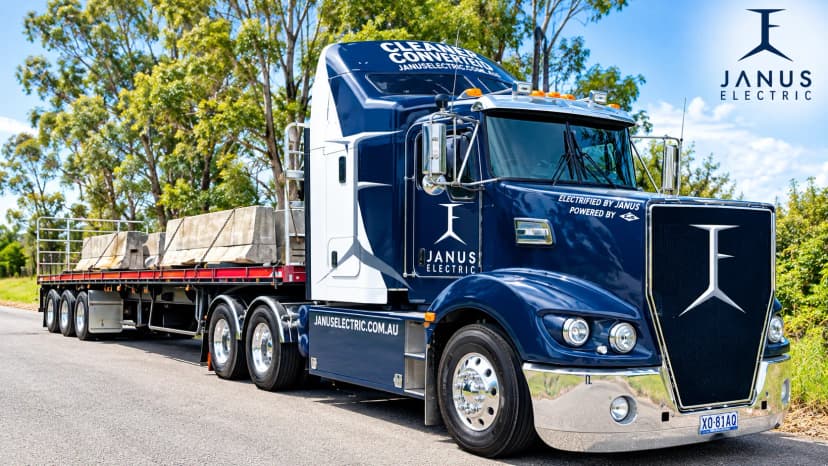
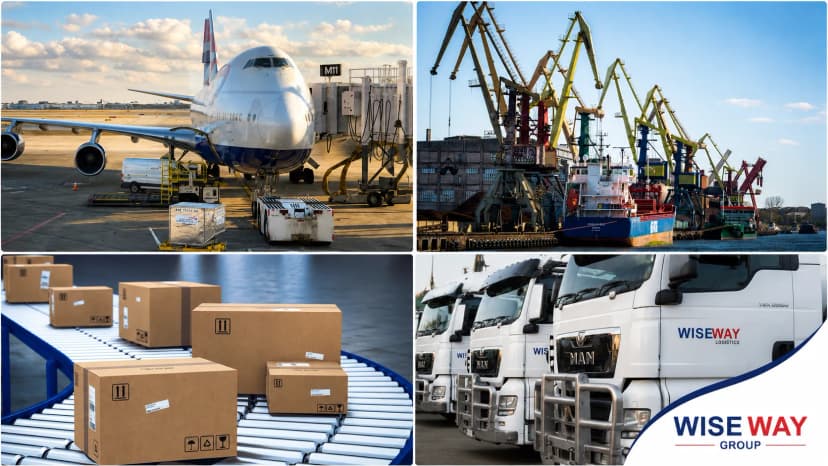
This sector is broad and includes subsectors such as Airlines (passenger and air cargo), Railroads / Freight rail, Trucking / Road transport, Marine / Shipping (ships, ports), Logistics and delivery services (warehousing, last-mile delivery, express freight), and Transportation infrastructure (airports, seaports, highways, rails, terminals).
Transportation stocks are considered cyclical. Their performance tends to rise when the economy is growing (because demand for shipping, travel, and goods movement increases) and suffer more during economic downturns. For those considering investing in ASX transportation stocks, this sector offers a direct pulse on the health of the economy.

What makes investment in the Transportation stocks attractive?
Here are key factors that make transportation stocks attractive:
1. Growing Demand for Freight & Logistics
One of the biggest drivers is the rising volume of goods being moved domestically and globally. As e-commerce, manufacturing, and global supply chains expand, there’s more need for shipping, trucking, rail, ports, etc. For example, freight demand is forecast to increase over time as economies grow, population increases, and consumption patterns evolve. This sustained demand gives transportation companies more revenue potential. Many firms can adjust pricing (freight rates) or cut costs even when demand softens. In regions where infrastructure is being improved or expanded, or where trade corridors are emerging, companies with good logistics networks or efficient fleets tend to benefit.
2. Cost Efficiency & Technological Innovation
Transportation is a cost-intensive sector (fuel, labour, maintenance), so efficiency improvements make a big difference. Innovations like automation, telematics, route optimisation, more fuel-efficient engines, and even electrification can reduce operating margins. Example: Logistics firms using AI for route planning reduce downtime and fuel waste. Also, adopting more efficient trucks or trains helps. Over time, regulatory pressure (e.g., emissions) will push more companies to improve efficiencies, which can also reduce costs or give competitive advantages. So, those investments now can pay off down the line.
3. Regulatory & Infrastructure Support
Many governments are investing heavily in infrastructure (roads, rails, ports, bridges) and supporting policies (subsidies, tax incentives) to improve transportation, reduce emissions, etc. That can open up new opportunities. Also, regulation around emissions or environmental standards tends to favour companies ahead of sustainability, which may get incentives or avoid penalties. So firms that invest earlier in greener fleets or cleaner fuels may gain an advantage. Infrastructure projects also often increase capacity, reduce bottlenecks, or connect markets, which can increase utilisation and profitability.
4. Supply Constraints / Structural Bottlenecks
Constraints like driver shortages, aging equipment, limited capacity, or regulatory restrictions can limit supply, which means that when demand is strong, rates go up sharply. For example, many trucking companies are struggling to recruit and retain drivers. Transportation firms can raise prices or negotiate better contracts when capacity is tight (e.g., fewer trucks available, fewer shipping slots). Those supply constraints sometimes take time to resolve (since hiring/training or building infrastructure is slow), which can lead to periods of substantial margin expansion. Investors often like companies well-positioned to weather capacity constraints (e.g., with modern fleets and good labour practices).
5. Persistent Growth Drivers (Global Trade, Urbanisation, Sustainability)
There are long-term trends that favour transportation stocks:
Global trade: As goods flow across borders more, demand for shipping, ports, and intermodal transport remains strong.
Urbanisation: Growing cities create more demand for logistics, last-mile delivery, and infrastructure.
Sustainability/electrification / alternative fuels: Pressure to reduce emissions (part of the green transition) pushes transportation firms to innovate and invest in cleaner technologies (EV trucks, cleaner ships, etc.), which could lead to new revenue streams (or savings) and attract investor interest.
Also, reshoring or nearshoring (“bringing manufacturing closer”) can change transportation patterns that benefit local or regional transport providers.
Technological shifts (autonomous vehicles, digitisation, IoT, etc.) may bring efficiency gains or open new models (e.g., shared transport, mobility-as-a-service).

ASX Transportation Companies List (Areas for Investment)
Here are some of the main sub-sectors of transportation on the ASX:
1. ASX Logistics Companies & Freight / Integrated Transport
Qube Holdings (QUB): A big player in container cargo, port logistics, and heavy transport. It handles import/export logistics in Australia.
CTI Logistics (CLX): Offers a mix of courier, taxi-truck, parcel distribution, warehousing/distribution services, and property services.
Silk Logistics (SLH): A smaller company providing landside logistics services, including port-related logistics.
2. Rail / Bulk Transport
Aurizon Holdings (AZJ): Is Australia’s largest freight rail company. It transports coal, minerals, etc., from mines to ports.
Other smaller firms may be involved in rail or intermodal, but Aurizon is the dominant one in bulk rail.
3. Airlines / Passenger & Cargo Air Transport
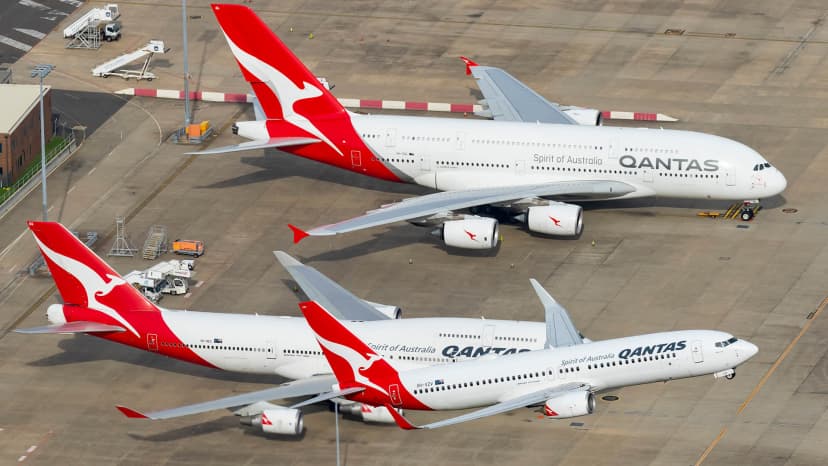
Qantas Airways (QAN): Major airline for both domestic & international travel.
Virgin Australia Holdings (VGN): Another airline stock.
4. ASX Infrastructure Stocks (Toll Roads / Airports)
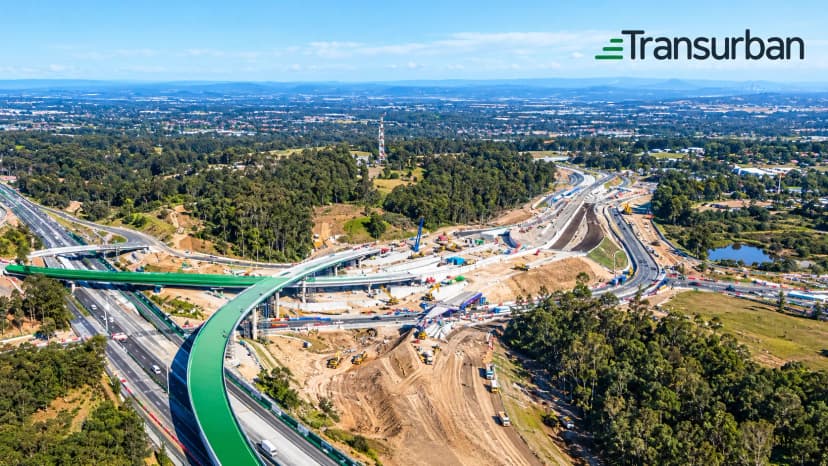
Transurban Group (TCL): Operates toll roads in Australia, plus some international exposure.
Atlas Arteria (ALX): Toll road operator.
Other areas of infrastructure may include airport operations, port terminals, etc.
5. Smaller / Niche Freight & Specialised Transport
Companies like Dalrymple Bay Infrastructure (DBI), which manage export-terminal infrastructure.
Smaller logistics/forwarding firms, possibly those focused on “last-mile” or special cargo.
Where the Opportunity Looks Best If we had to pick the sub-sectors with relatively better risk/return potential now, we’d lean toward:
Logistics & Freight / Integrated Transport: companies with diversified operations, scale, and good positioning in ports or warehousing. The growth of e-commerce, demand for efficiency in supply chains, and investment in distribution centres suggest upside here. Qube and CLX look interesting.
Rail / Bulk Transport, but especially those diversifying into non-coal commodities (metals, minerals critical for the energy transition). Aurizon is one to watch, particularly if it secures long-term contracts. The move toward transporting more copper, etc., is a boost.
Infrastructure / Toll Roads could be good for income and defensive exposure, particularly if you expect periods of economic volatility. Transurban is a strong candidate. Areas we'd be more cautious about are airlines (because of cost pressures and sensitivity to shocks) and very small niche operators with weak balance sheets.
How to Find Top-Performing Transportation Stocks on the ASX
Here are the significant factors you should look at when evaluating transportation stocks on the ASX:
1. Profitability & Margins
What to look for:
Revenue growth year-on-year: Are sales increasing? If yes, is that driven by volume (more freight, more routes, more customers) or just price increases
Gross margin, operating margin, and net profit margin: How much of your revenue becomes profit after subtracting costs (fuel, labour, maintenance, depreciation, etc.)?
Return on capital (ROC) or return on equity (ROE): Transportation companies make large capital investments (equipment, infrastructure), so you want to see that money is being used efficiently. Transportation is expensive. Fuel, wages, and equipment eat up a lot of revenue. Even when sales grow, if costs rise faster, profits suffer. Margins tell you who can manage expenses well. For example, a logistics firm with strong margins probably has good route optimisation, economies of scale, or better control over maintenance.
2. Cash Flow & Debt Management
What to look for:
Free cash flow (FCF) is revenue minus all costs, including capital expenditures, which must leave enough cash.
Cash conversion ratio: how well earnings (e.g. EBIT or EBITDA) turn into actual cash.
Leverage metrics (debt vs EBITDA or debt vs equity), and interest cover (how many times EBIT or similar covers interest payments). Transportation involves significant physical assets, maintenance, fuel, and often regulated infrastructure, all of which require ongoing investment. If a company makes profits on paper but does not generate cash, it may struggle to invest, expand, or maintain operations. High debt amplifies risk: debt costs can hurt profitability when interest rates rise or demand slips.
Expert Note: At Proactive Equities, our analysts view Free Cash Flow (FCF) and debt management as the most critical metrics in the capital-intensive transport sector. A company might show revenue growth, but if it's not generating real cash after capex (FCF) or is overly leveraged, it’s a major red flag for us. We filter for companies with FCF resilience and disciplined balance sheets before making a recommendation.
3. Valuation / Price Multiples
What to look for:
P/E ratio (price/earnings), forward P/E (using forecast earnings)
EV/EBITDA, EV/Sales: Since transportation firms can have different capital structures, using Enterprise Value metrics helps you compare those differences.
Price/Sales (P/S) and Price/Book (P/B) can help, especially for companies with thin profits or early-stage growth. Even a great business can be a poor investment if bought for too much. Valuations help you gauge whether the stock price already reflects future growth or overhypes it. Also, valuations relative to peers and historical averages can show whether a stock is “cheap” or “expensive.”
4. Demand Drivers, Contracts & Exposure to Cyclical Risk
What to look for:
Is demand stable or volatile? For example, is the company exposed to commodity transport (which can swing with global demand) versus essential logistics (groceries, healthcare)?
Are there long-term contracts? Are they fixed price or variable? Do revenues fluctuate a lot with fuel or capacity costs.
Exposure to macro factors: fuel costs, regulation (emission rules, taxes), trade policies, infrastructure bottlenecks, and economic cycles. Transportation is inherently cyclical. Downturns in spending, disruptions (pandemics, natural disasters) or high fuel prices can hit badly. Companies with stable contracts, diversified customers (not depending heavily on 1 or 2 big clients), and the ability to pass cost increases to customers are better placed. Also, those whose demand comes from essential goods or long-term contracts are less risky.

What are the Risks of Investing in Transportation Stocks?
Here are key risks you should watch out for when investing in transportation stocks:
1. Fuel & Energy Price Volatility
One of the most significant risks in transportation is that fuel (diesel, aviation fuel, marine bunker fuel) is a considerable cost input. When oil prices rise (due to geopolitics, supply shocks, OPEC decisions, wars, etc.), operational costs can spike suddenly. Unless a company has fuel hedging, pricing power, or contracts that allow it to pass these increased costs to customers, margins can be squeezed sharply. For example, fuel can represent a large share of the total cost in maritime transport or airlines. If fuel inflation outpaces revenue growth, efficiency improvements may be overwhelmed. Also, energy-transition policies (carbon taxes, sustainable fuel mandates) tend to increase the cost base or require investment in alternative fuels, which may not yet be cost-competitive. So for investors, it's not enough to see current profit; you need to see how exposed a company is to fuel cost shocks, and whether it has strategies in place (fuel hedging, fuel-efficient or alternative fuel vehicles/ships/aircraft, renegotiable contracts, etc.).
2. Cyclical Demand & Economic Downturns
Transportation is deeply cyclical. The demand for moving people or goods correlates strongly with the economy: when manufacturing, trade, consumer spending, and travel are strong, demand is up. When there’s a recession, weak consumer confidence, reduced trade volumes or travel restrictions, demand falls, often abruptly. For instance, companies hauling bulk commodities suffer when export volumes drop. Airlines suffer when people travel less. Logistics firms feel it when shipments decline. Also, during downturns, customers demand lower prices, reducing margins. This means that if you invest in a transportation stock at the top of a cycle, you risk a big drop when the economic tide turns. Investors need to check how resilient the company is through cycles. Does it have diversified revenue sources? Are there long-term contracts that smooth income? Does it have cost flexibility (can it scale down operations, reduce capacity, delay capital projects)?
3. Capital Intensity and High Fixed Costs
Transportation businesses are expensive to run in terms of fixed costs. Buying/owning or leasing aircraft, trucks, ships, railcars, maintaining infrastructure (ports, terminals, rail tracks), paying for regulatory compliance (safety, environment), etc., requires extensive upfront and ongoing investment. Because fixed costs are so high, a slight drop in utilisation or volumes can cause costs per unit to soar. Under-utilisation of fleet capacity (planes flying half empty, trucks not fully loaded, ships waiting in the queue) depresses profitability. Also, maintenance, depreciation, insurance, and regulatory compliance add recurring fixed costs that can’t be turned off easily. Another issue is that these assets age and require replacement or refurbishment, which demands cash. If a company has weak free cash flow and high debt, it may struggle to fund necessary capital expenditures. Also, during downturns, companies may defer maintenance, leading to the risk of breakdowns or regulatory penalties.
4. Regulatory Risk & Environmental / Climate Pressures
Regulation is increasingly crucial in transportation. Governments are imposing stricter emissions limits, environmental taxes, requirements for cleaner fuels (e.g. sustainable aviation fuel, low sulphur marine fuel), noise limits, and sometimes carbon pricing. Complying can be expensive: replacing older aircraft, retrofitting ships, investing in cleaner engines or vehicles, or participating in offset programs. Also, there is a risk of sudden regulatory change, such as new emission standards, bans on certain fuel types, or changes in trade policy. Companies with older assets or poor environmental reputations may face fines or higher compliance costs. Moreover, public opinion / social license matters more; investors and regulators increasingly demand ESG compliance. A transportation company that lags here may lose market share or suffer reputational damage. Infrastructure regulation (toll roads, airports, port fees) can also affect profitability. Regulatory decisions or changes may cap revenue increases or impose constraints.
5. External Shocks, Supply Chain Disruptions & Geopolitics
Transportation is very exposed to events that are outside the company's control:
Natural disasters (storms, flooding, earthquakes) damage infrastructure.
Pandemics or health crises (as seen with COVID-19) can shut down travel or reduce freight.
Geopolitical events, such as trade wars, sanctions, war, closure of borders/airspace, and disruptions at key chokepoints (e.g., canals, straits), can raise transport times and costs or even halt routes.
Fuel supply disruptions.
Labour strikes (pilots, port workers, truck drivers). These can cause sudden cost increases, revenue losses, delays, and customer dissatisfaction. Even with strong fundamentals, a company might suffer heavily from an unpredictable external shock. Because transportation networks are interconnected, disruptions often cascade (e.g., a delay in one port affects warehousing, shipping schedules, etc.).

Conclusion: Should You Be Investing in ASX Transportation Stocks?
Investing in ASX transportation stocks provides a direct way to invest in economic growth, global trade, and e-commerce. From infrastructure players like Transurban to logistics leaders like Qube, the sector is diverse. However, as this guide has shown, it is a highly cyclical and capital-intensive industry. The primary risks of investing in transportation stocks fuel costs, economic downturns, and high debt are significant. Success in this sector demands a keen focus on operational efficiency, free cash flow generation, and identifying companies with durable, long-term contracts.
FAQs on Investing in Transportation Stocks
Which stocks are referred to as Transportation stocks? Transportation stocks are shares of companies that move goods or people, including airlines, shipping, rail, trucking, logistics, and infrastructure operators.
What makes investment in the Transportation stocks attractive? They benefit from growing demand for freight, logistics, travel, infrastructure upgrades, and long-term trends like e-commerce, global trade, and sustainability
What are some high-risk factors associated with investing in the Transportation stocks? Significant risks include fuel price volatility, cyclical demand, heavy fixed costs, strict regulations, and exposure to shocks like strikes, pandemics, or geopolitical conflicts.