

Blogs
.webp&w=828&q=75)
Carma’s (ASX: CMA) Sales Are Surging, but the Chart Still Screams Trouble
Carma’s sales growth is accelerating, but its share price remains under pressure. Strong deliveries and expanding operations stand in contrast to weak momentum, cash burn concerns, and a bearish chart setup, unless CMA breaks resistance with strong volume

Wiseway Group (ASX: WWG): Strong Fundamentals Meet a Critical Technical Support Test
Wiseway is an integrated logistics provider spanning freight forwarding, warehousing, e-commerce fulfilment and perishables. Strong 1H26 revenue and earnings growth, US expansion and capital returns supported its share-price rally, while the recent pullback tests a technically significant support zone
.webp&w=828&q=75)
King River Resources (ASX: KRR): Re‑rating Through High‑Grade Discovery and Strategic Focus
King River Resources (ASX: KRR) advances its high‑grade Mindoolah Gold Project and Tennant Creek IOCG targets, combining strong technical momentum with disciplined exploration and a refreshed leadership team
.webp&w=828&q=75)
Kingsgate Consolidated (ASX: KCN) Hits FY26 Targets as Tests Key Support
Kingsgate delivered stronger FY26 production with higher gold and silver output, but KCN now tests key chart support. Investors watch the A$4.05–A$4.15 zone, Chatree performance, and future growth from Nueva Esperanza
.webp&w=828&q=75)
Southern Palladium (ASX: SPD) Attempts a Rebound as Project Economics Strengthen
Southern Palladium shares have rebounded after finding support, aided by encouraging Bengwenyama metallurgical results. While improving project fundamentals have boosted sentiment, the stock remains below key resistance, leaving investors watching for a confirmed breakout and sustained upside momentum
.webp&w=828&q=75)
American Rare Earths (ASX: ARR): Strategic Acceleration Toward U.S. Supply Chain Independence
American Rare Earths (ASX: ARR) accelerates its Halleck Creek development, positioning as a cornerstone of the U.S. mine‑to‑magnet supply chain with strong government support and advancing pre‑production oxide output
.webp&w=828&q=75)
Has Brisbane Broncos (ASX: BBL) Found a Floor Following Its Sharp Retreat?
Brisbane Broncos (ASX: BBL) is an NRL franchise generating sports entertainment revenue. Its share price volatility stems from on-field performance, low liquidity, and solid earnings growth. Technically, the stock is currently testing key channel support around $1.25.
.webp&w=828&q=75)
HUB24 (ASX: HUB): Platform Leadership and Scalable Profitability
HUB24 Limited (ASX: HUB) delivers record inflows, expanding margins, and disciplined execution, reinforcing its leadership in wealth‑tech platforms and positioning for sustained shareholder value through scalable growth
.webp&w=828&q=75)
Northern Minerals (ASX: NTU): Rare-Earth Momentum Builds as NTU Tests a Make-or-Break Support Zone
Northern Minerals remains focused on advancing its Browns Range rare earths project while progressing FEED work and expanding resources at Dazzler. The stock is consolidating near key support as investors monitor funding, governance changes, and project milestones
.webp&w=828&q=75)
ANZ Group Holdings (ASX: ANZ): Repricing Discipline and Transformation Momentum
ANZ Group Holdings (ASX: ANZ) delivers resilient profitability, disciplined cost control, and strong capital ratios, positioning for sustained shareholder returns amid strategic transformation and integration momentum
.webp&w=828&q=75)
Minerals 260 (ASX: MI6) Breaches Key Support: Is the Bull Run Over?
Minerals 260 has boosted Bullabulling to a 6.2Moz gold resource and unveiled a maiden reserve and PFS supporting a 19-year mine. Despite strong fundamentals, MI6 has slipped below trendline support, prompting investors to watch key technical levels closely

Sigma Healthcare (ASX: SIG): Integrated Scale, Relentless Momentum
Sigma Healthcare (ASX: SIG) delivers strong double‑digit growth and disciplined integration, positioning the merged Chemist Warehouse group for sustained expansion across domestic and international markets
.webp&w=828&q=75)
Island Pharmaceuticals (ASX: ILA) Breaks Its Downtrend as Galidesivir News Puts It Back in Play
Island Pharmaceuticals has regained market attention after breaking a long-term downtrend, supported by Galidesivir developments and strong trading momentum. Recent updates across biodefence, manufacturing, and intellectual property have improved sentiment, although confirmation above key resistance remains important
DevEx Resources (ASX: DEV) Draws Renewed Attention as Key Catalysts Build
DevEx Resources (ASX: DEV) is an Australian uranium explorer advancing its flagship Nabarlek project. While buoyed by strong uranium markets and strategic acquisitions, the consolidating stock faces high exploration risks, significant cash burn, and reliance on upcoming drilling success
Core Lithium (ASX: CXO): Finniss Restart and Tactical Re‑rating
Core Lithium (ASX: CXO) advances its Finniss restart with full funding, disciplined execution, and improving lithium sentiment, positioning for a tactical rebound as operations resume and technical momentum builds.
.webp&w=828&q=75)
Cobre (ASX: CBE)’s Copper Pivot: Cash flow, Chile Expansion & Chart nerves
Cobre is shifting from exploration to production, backed by positive cash flow at Sierra Atacama and ongoing Botswana exploration. While the share price remains strong, investors are watching whether the company can sustain operational momentum and long-term growth.
Computershare (ASX: CPU): Consistent Growth and Margin Resilience
Computershare (ASX: CPU) delivers consistent earnings growth and margin resilience through disciplined cost control, strong cash generation, and capital‑light operations, positioning for sustained shareholder returns.
Suncorp Group (ASX: SUN): Re‑Establishing Margin Strength Through Digital Scale and Capital Discipline
Suncorp Group (ASX: SUN) delivers resilient margins despite elevated natural hazards, supported by AI‑driven transformation, disciplined capital management, and strong portfolio optimisation.
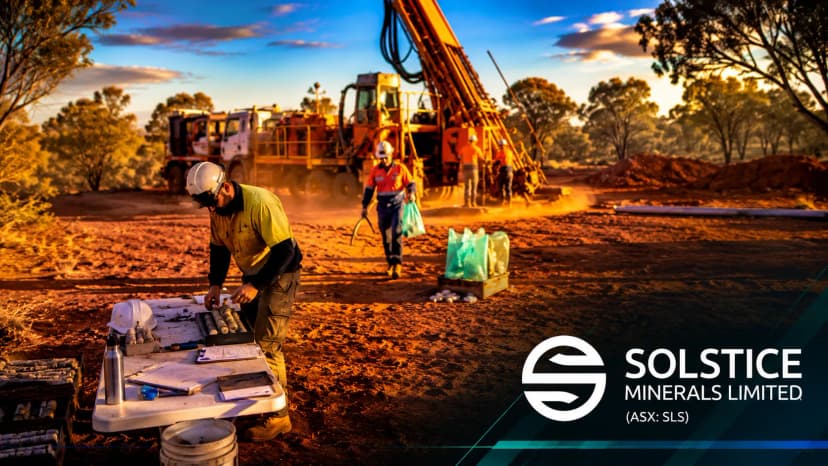
Solstice Minerals (ASX: SLS) Breaks Out as Nanadie Turns into a Bigger Copper- Gold Story
Solstice Minerals has gained momentum after strong drilling results at its Nanadie copper-gold project. The explorer is expanding its resource potential, backed by fresh funding, multiple exploration targets, and a bullish share price breakout supported by rising trading volume.

Weebit Nano (ASX: WBT) Breaks Gear as ReRAM Moves from Promise to Production
Weebit Nano is gaining investor attention as commercial progress accelerates. Licensing deals, JEDEC qualification, product tape-outs, stronger revenue, and fresh funding have boosted confidence. At the same time, the share price remains technically strong with buyers defending key support levels after a significant breakout.

Fundamental Analysis: What It Is, Its Main Types, and How to Use It
Fundamental analysis calculates a security's intrinsic value by evaluating macroeconomic, industry, and company-specific financial data. Unlike technical analysis, this long-term strategy identifies mispriced assets based on underlying business health, though it demands significant research, reliable data, and patience