

Blogs
.webp&w=828&q=75)
ILuka Resources (ASX: ILU): Rare Earths Execution and Margin Resilience
ILuka Resources (ASX: ILU) advances its Eneabba rare earth refinery and Balranald ramp‑up, positioning as Australia’s critical minerals leader with strong government backing and margin resilience through 2026
.webp&w=828&q=75)
Larvotto Resources (ASX: LRV): Can Rising Trend Holds as Hillgrove Enters Commissioning?
Larvotto Resources enters a key operational phase as Hillgrove commissioning begins, copper expansion progresses, and the weekly chart tests important support and resistance levels while investors watch execution and future growth catalysts.
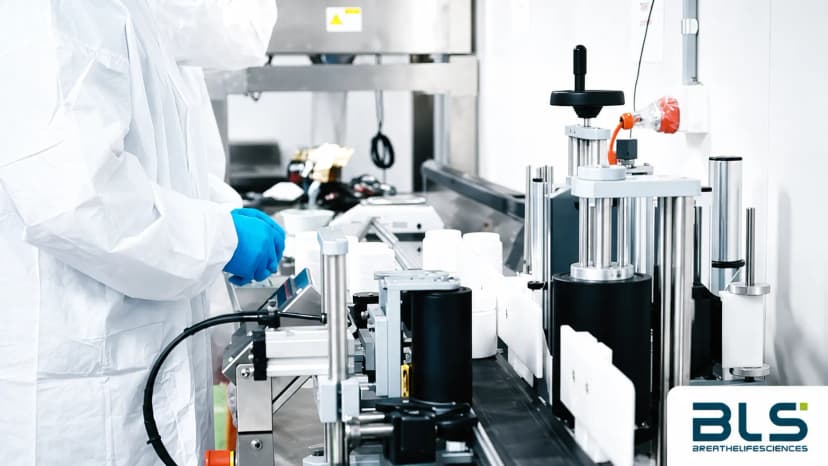
BLS Pharmaceuticals' (ASX: BLS) Shares: Strong Growth Story, Crucial Technical Crossroads
BLS Pharmaceuticals has rapidly transformed into a profitable regulated-medicines manufacturer, supported by strong revenue growth, controlled-substance licences and international expansion. While FY26 guidance remains ambitious, bearish RSI divergence suggests traders should monitor key support levels closely.
.webp&w=828&q=75)
Sinclair Gold (ASX: SGC): Chart Signals Caution Despite Mt Henry Growth
Sinclair Gold is advancing its Mt Henry gold project in Western Australia through drilling, funding, and resource growth plans. The company aims to expand its 915,000-ounce resource while testing deeper mineralisation and preparing for a late-2026 resource update.
.webp&w=828&q=75)
Karoon Energy (ASX: KAR): Operational Inflection, Margin Strength and a Two‑Hub Growth Engine
Karoon Energy (ASX: KAR) delivers resilient production, strong cash margins and a two‑hub growth pipeline across Brazil and the US Gulf, positioning for higher free cash flow in 2H26 and multi‑year expansion.
.webp&w=828&q=75)
Liontown (ASX: LTR) Lithium Roar Hits a Fault Line: Kathleen Valley Advances as LTR Breaks Support
Liontown is transitioning from development to production as Kathleen Valley ramps up. While operational progress continues, weakness in the lithium market and technical selling have weighed sentiment, making execution, costs, and expansion progress key factors for investors.
.webp&w=828&q=75)
Aeris Resources (ASX: AIS): Cash‑Rich, Copper‑Gold Growth with Strategic Expansion Momentum
Aeris Resources (ASX: AIS) delivers solid FY26 production, strong cash generation, and transformational growth via South Cobar acquisition, positioning for sustained copper‑gold expansion into FY27.
.webp&w=828&q=75)
Vulcan Energy Resources (ASX: VUL): Zero‑Carbon Ambition, Strategic Progress, and Repricing Potential
Vulcan Energy Resources (ASX: VUL) advances its Zero Carbon Lithium project with progressing development, strategic partnerships, and strengthened funding pathways, positioning the company as a unique European lithium supplier amid rising demand for decarbonised battery materials.
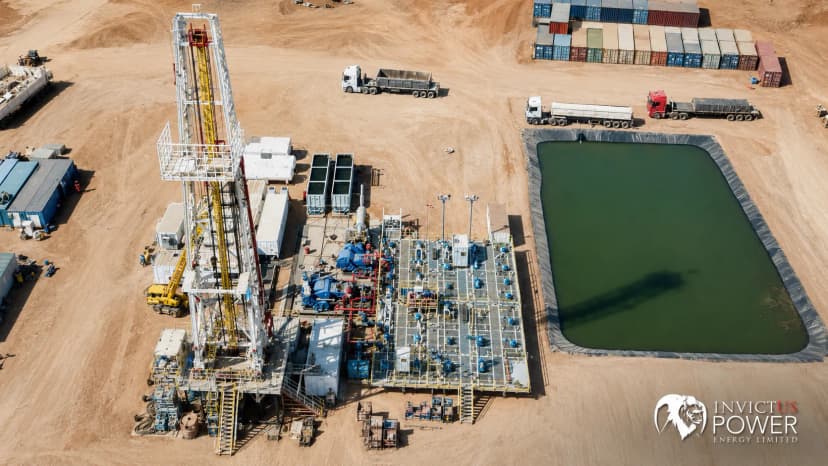
Invictus Energy (ASX: IVZ): Technical Support Meets Exploration Upside
Invictus Energy is progressing its Cabora Bassa gas project in Zimbabwe, with Mukuyu appraisal and Musuma-1 drilling as key catalysts. While the PPSA reduces regulatory risk, IVZ remains a volatile, pre-revenue explorer reliant on external funding.
.webp&w=828&q=75)
What Are Bull and Bear Markets? A Complete Guide to Trading Bullish and Bearish Trends
Learn how bull and bear markets shape prices, investor sentiment and trading decisions, with practical indicators, strategies and risk-management techniques to help identify market phases and adapt to changing conditions.
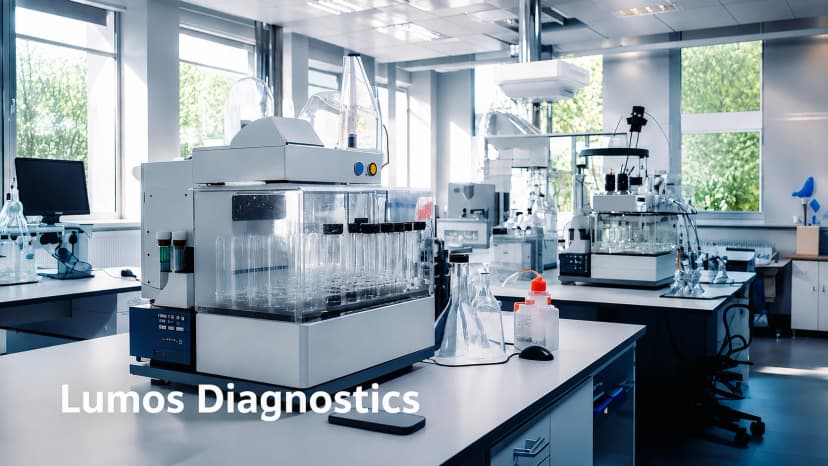
Lumos Diagnostics (ASX: LDX): Enters Its Proof Phase as LDX Breaks the Downtrend
Lumos Diagnostics continues to expand its commercial footprint through FDA clearance, growing U.S. adoption, manufacturing partnerships, and paediatric research. The company now focuses on turning regulatory success and market access into recurring sales, broader reimbursement, and sustainable long-term growth.

EchoIQ (ASX: EIQ): Tests Rising-Channel Support as US Expansion Builds Momentum
EchoIQ is expanding its US presence through new funding, partnerships, clinical research, and hospital deployments. Its AI-based cardiac software continues to gain commercial traction, while the chart shows a pullback to key support within a longer-term rising trend.
.webp&w=828&q=75)
Wildcat Resources (ASX: WC8): Lithium Scale, Strategic Momentum and High-Conviction Growth
Wildcat Resources (ASX: WC8) advances its Pilbara lithium portfolio with expanding high-grade discoveries, a progressing DFS at Tabba Tabba, and strong cash reserves, positioning the company for transformational growth amid rising global lithium demand.
.webp&w=828&q=75)
Brambles (ASX: BXB) : Buybacks, Cash Flow and Breakout Potential
Brambles (ASX: BXB) compounds cash flow and margins through operational excellence, asset efficiency and disciplined capital allocation, supported by buy‑backs and a strengthening customer value proposition.

Resolution Minerals (ASX: RLM) Gains U.S. Strategic Momentum
Resolution Minerals is advancing U.S. critical minerals projects through drilling, permitting progress and strategic partnerships. Its Horse Heaven Project targets antimony, tungsten and gold, supported by government engagement, funding and expanding exploration activities.
.webp&w=828&q=75)
Fleetwood (ASX: FWD): Chart Breakout Meets a Cleaner Business Story
Fleetwood is simplifying its business through modular buildings and worker accommodation. The Red Dog Village purchase, Camec sale, and factory changes aim to improve focus, reduce complexity, and strengthen long-term earnings visibility.
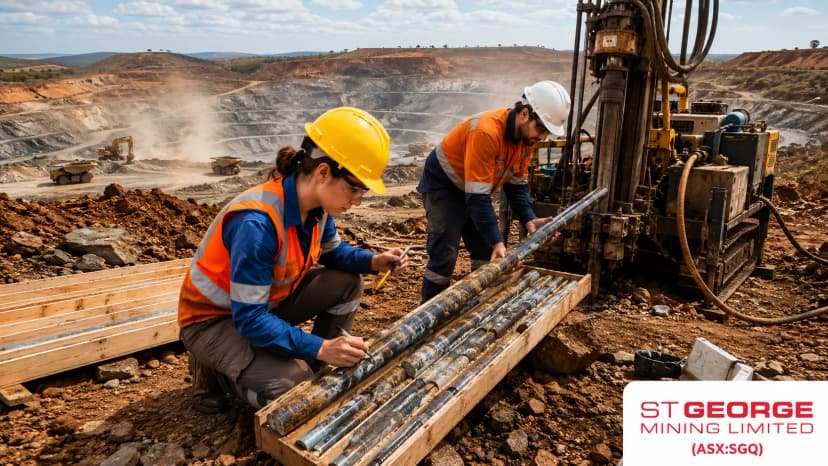
St George Mining (ASX: SGQ): Broken Support Confirms Bearish Sentiment
St George Mining is a pre-revenue critical-minerals explorer advancing its 100%-owned Araxá rare earths-niobium project in Brazil. Resource growth, funding, studies and potential partnerships offer upside, while dilution, execution and commodity-price risks remain material
.webp&w=828&q=75)
Orora (ASX: ORA): Operating Leverage and Buyback Strength
Orora Limited (ASX: ORA) delivers strong earnings and cashflow growth, disciplined capital returns and strategic expansion in cans and glass, positioning for sustained shareholder value through operating leverage and buyback momentum.
.webp&w=828&q=75)
VHM (ASX: VHM) at Support: Will Fundamental Catalysts Spark a Technical Upswing?
VHM Limited (ASX: VHM) advances its Tier‑1 Goschen critical minerals project toward FID, backed by full permitting, government financing interest, expanded resources and strategic offtake optionality. Strong regulatory momentum and project scale position VHM for a major rerating
.webp&w=828&q=75)
SEEK (ASX: SEK): Scaling AI, Data, and Earnings into a High-Conviction Future
SEEK is an APAC digital employment leader using proprietary data and AI to improve hiring and monetisation. FY26 first-half revenue and underlying earnings grew strongly, despite a Zhaopin impairment-driven loss, supporting dividend growth and expansion prospects
.webp&w=828&q=75)
AuKing Mining (ASX: AKN) Draws Renewed Attention: Drilling Catalysts Meet a Critical Technical Crossroads
AuKing Mining raised A$5 million to expand Tundulu drilling to 15,000 metres after logging carbonatite in 26 of 27 holes. However, assays remain pending, dilution is increasing, and bearish RSI divergence warns that momentum may be fading.