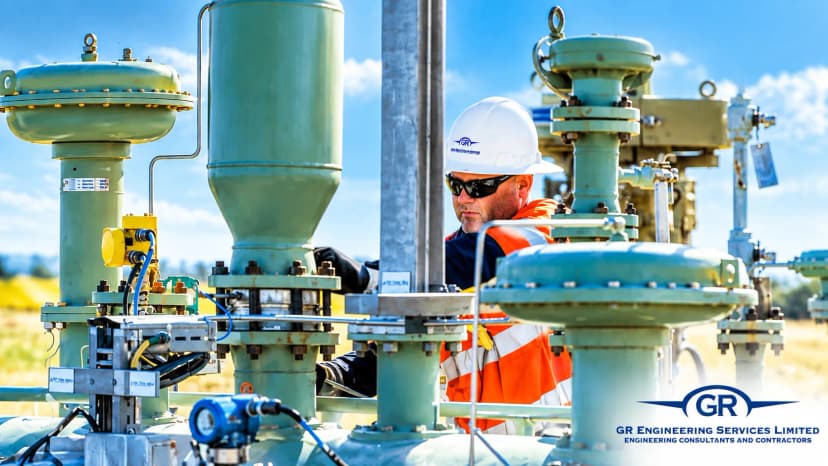
GR Engineering’s record A$1.29 billion order book underpins FY27 revenue guidance of A$825–850 million, following record FY26 earnings. Strong project demand supports growth, but fixed-price execution risks, a stretched dividend payout and a demanding valuation warrant caution.

QBE Insurance Group has appointed Jonathan Groves as CEO of its Australia Pacific division, effective November 1, 2026, as the business navigates elevated catastrophe activity and softening commercial pricing.

Nine Entertainment (ASX: NEC) shares hit an all-time low despite stronger FY26 earnings from Stan, QMS and digital publishing. Brokers remain split on the outlook, while shares test key channel support, with a bullish RSI divergence hinting a possible near-term reverse.
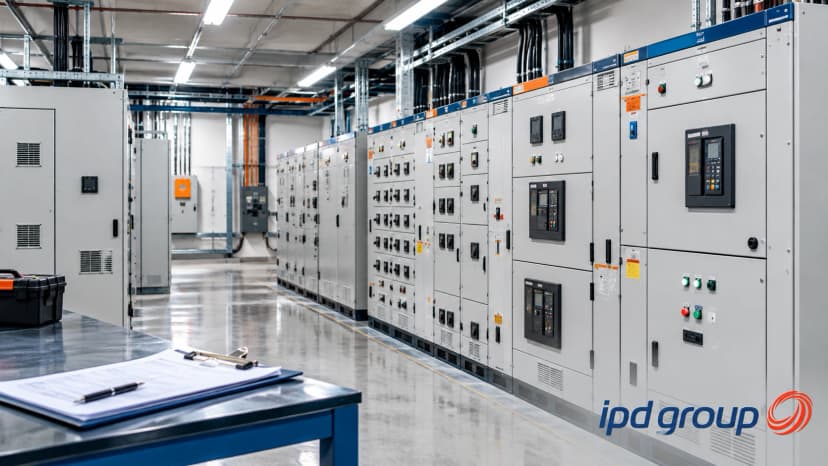
IPD Group (ASX: IPG) posted record FY26 results, with data centre revenue up 27% amid Australia's AI infrastructure boom. Shares reacted well off support and now approach key resistance near $6.00.
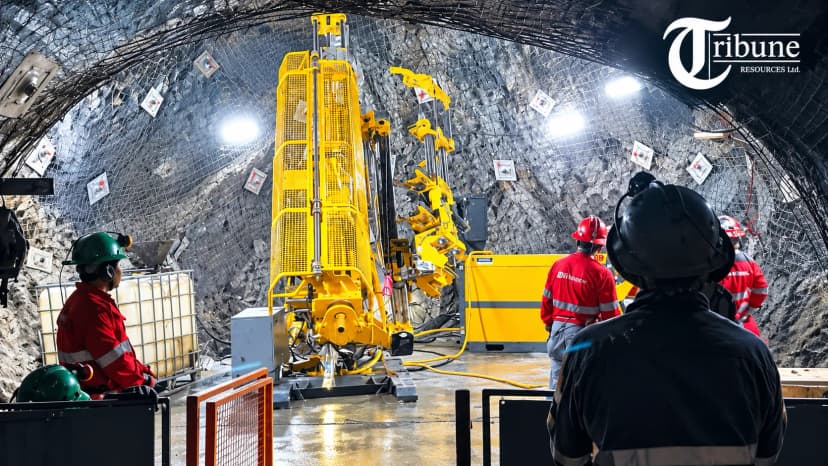
Tribune Resources (ASX: TBR) delivered strong 1H FY2026 earnings, supported by higher gold prices and 10,149oz attributable production from its 36.75% EKJV stake. The company retains strong cash generation, fully funded dividends, expanding mine development, and meaningful upside through Star Trek exploration and elevated gold prices.
.webp&w=828&q=75)
Tribune Resources (ASX: TBR) demonstrates disciplined operations and resilient cash generation through its East Kundana Joint Venture (EKJV) with Evolution Mining, maintaining strong production and resource confidence amid cost pressures and market volatility.