

Materials
.webp&w=828&q=75)
Hazer Group (ASX: HZR): Licensing Wins Pile Up as Shares Sit at a Key Support Level
Hazer Group (ASX: HZR) is pushing its capital-light hydrogen and graphite licensing model toward commercial execution, with a FortisBC facility underway and a new Japanese utility study won.
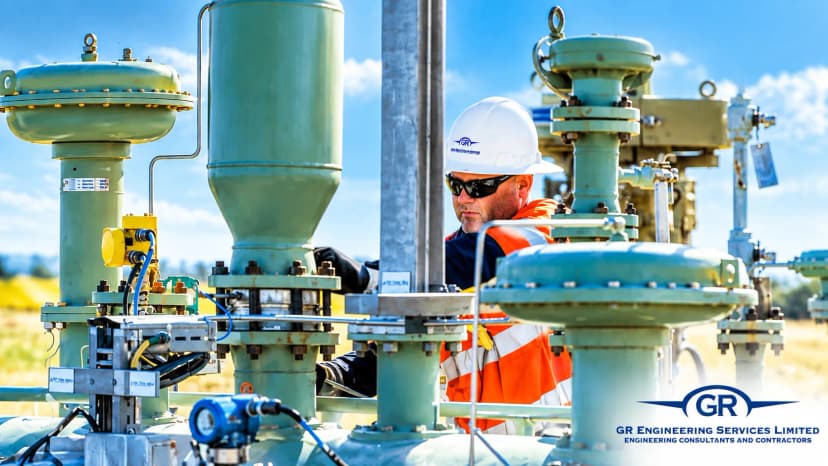
GR Engineering Services (ASX: GNG): Record Order Book Converts to Earnings, Valuation Now Close to Fair
GR Engineering’s record A$1.29 billion order book underpins FY27 revenue guidance of A$825–850 million, following record FY26 earnings. Strong project demand supports growth, but fixed-price execution risks, a stretched dividend payout and a demanding valuation warrant caution.
.webp&w=828&q=75)
Orora (ASX: ORA): Operating Leverage and Buyback Strength
Orora Limited (ASX: ORA) delivers strong earnings and cashflow growth, disciplined capital returns and strategic expansion in cans and glass, positioning for sustained shareholder value through operating leverage and buyback momentum.

BlueScope Steel (ASX: BSL) Breaks Higher as Investors Bet on Further Upside
BlueScope Steel shares have strengthened on improving earnings and investor confidence. The company is expanding production, upgrading facilities, and investing in low-emission steelmaking projects, positioning itself for long-term growth while maintaining exposure to global construction and infrastructure markets.

AnteoTech (ASX: ADO) Rockets Higher as Battery Tech Breakthrough Ignites Massive Share Price Surge
AnteoTech (ASX: ADO) surged over 46% after independent validation of its Ultranode™ 95 silicon anode technology in commercial battery cells, boosting energy density. The breakthrough reignited investor interest in the speculative micro-cap amid hopes of future battery partnerships.
BlueScope Steel (ASX: BSL): An Australian Industrial with U.S. Earnings Power
BlueScope is an integrated flat steel producer combining upstream steelmaking with higher‑margin, branded building products, giving it resilience across cycles. Around half of earnings are leveraged to the U.S. through North Star, where profitability depends on steel‑to‑scrap spreads rather than iron ore, providing structural margin support. In 1H FY2026, BlueScope delivered strong earnings growth despite weak HRC prices, driven by disciplined cost control and solid North American performance, underscoring its leverage to U.S. construction activity rather than pure commodity steel cycles.
Investing in ASX Materials Stocks: A Complete Guide
What are Australian Materials Stocks? Australian Materials Stocks refer to companies involved in extracting, processing, and manufacturing raw materials, fundamental building blocks of the economy. These include industries such as metals and mining (gold, iron, rare earths), chemicals (fertilisers, industrial gases, specialty chemicals), construction materials (cement, glass, bricks), containers and packaging (paper, cardboard, glass), and forest products (lumber, pulp, paper).
On the ASX, this sector ranges from miners like BHP and Rio Tinto to niche chemical or packaging players. They supply the inputs for everything, from automobiles and houses to electronics and agriculture, making them sensitive to global growth and commodity cycles.

What Makes Investment in Materials Stocks Attractive?
The reasons that make investing in ASX Materials Stocks an attractive proposition include:
1. Global Economic Rebounds
Materials companies thrive when the global economy picks up pace. Rising construction, manufacturing, and infrastructure spending often drives demand for steel, chemicals, and metals. For example, falling interest rates or infrastructure stimulus can boost housing starts and factory output, directly increasing demand for raw materials. As economies emerge from downturns, materials stocks often lead the recovery, delivering strong earnings and price gains.
2. Commodity Price Leverage
Many materials firms directly benefit from rising commodity prices. When iron ore, copper, or gold prices rise, miners and metal producers can see margins expand dramatically. Markets often reward this leverage through higher earnings and dividends, especially in periods of constrained supply or strong demand.
3. Inflation Hedge
Materials companies often hold tangible assets, such as mines, forests, and processing plants, and many adjust prices based on inflation. As input costs and commodity pricing rise, these firms can retain pricing power, making them a potential hedge against inflation.
4. Dividend Income Potential
Because materials firms frequently generate strong cash flow during commodity booms, many return capital to shareholders via dividends. For instance, large ASX listed miners like BHP, Fortescue, and Rio Tinto have historically offered attractive yields, helping investors balance growth with income.
5. Diversification and Cyclical Exposure
Materials stocks offer exposure to cyclical economic cycles, often moving independently of sectors like tech or consumer staples. Including them in portfolios can smooth overall returns, especially during commodity-led market rallies. Their price performance tends to contrast with defensive or growth focused sectors.

An ASX Materials Companies List (Areas for Investment)
Australia’s Materials sector is both vast and varied. Let’s explore key sub-sectors and leading ASX-listed names.
1. Metals and Mining
This is the heavy-hitter space. Many of the top 10 Australian mining companies are in this category. Large cap players like BHP and Rio Tinto dominate, extracting iron ore, copper, coal, and other minerals. These companies benefit directly from global infrastructure spending and commodity price cycles. Mid-caps like Fortescue Metals Group (FMG) offer more concentrated exposure to iron ore dynamics. At the same time, gold miners like Newcrest, Evolution Mining, and Northern Star provide precious-metal sensitivity and potential safe-haven appeal.
2. Rare Earths and Specialty Minerals
Lynas Rare Earths (LYC) stands out here. Its focus on minerals critical to modern electronics and green energy makes it strategically significant, though susceptible to global policy and pricing changes.
3. Chemicals and Industrial Inputs
Chemical producers like Orica (industrial explosives) and Incitec Pivot (fertilisers) serve essential industrial and agricultural markets. Expanding industrial activity and demand for food production often benefit these segments.
4. Construction Materials Companies ASX
James Hardie Industries supplies fibre cement products globally, aligning with housing and infrastructure demand. Packaging and forest products, such as Amcor, are also represented, blending cyclical exposure with defensive traits.
5. Steel and Aluminium Fabrication
Companies like BlueScope Steel produce finished steel products for construction and manufacturing, making them sensitive to local and global infrastructure cycles.
Which Areas Offer Better Opportunities?
Global demand swings: Miners like BHP and Rio offer global diversification but can face cyclicality
Growth niches: Lynas taps into critical minerals, though with volatility.
Income plus demand: Chemical and industrial inputs often provide steadier earnings and dividends.
Domestic exposure: Construction materials align with local housing and commercial trends.
Balanced risk: Packaging or specialty chemicals may shield against commodity swings while offering stable demand.
How to Find Top-Performing Materials Stocks on the ASX
Here is what you should consider to find top-performing Materials Stocks on the ASX:
1. Commodity Price Correlation and Exposure
Investors in materials stocks need to understand how closely company share prices align with commodity prices, especially spot prices. Research shows that mining companies’ valuations correlate with spot and forward commodity prices, even more so than long-term projections. Moreover, a 2023 study found that over 60% of annual share price changes in mining firms are explained by shifts in commodity prices, highlighting their dominant short-term influence. But this connection weakens over the long term, with broader operational factors starting to drive value beyond commodity cycles. Understanding this nuance helps investors time entries and set realistic expectations, knowing that while stock prices may swing with commodity moves, other aspects like costs and asset management play a bigger role down the line.
2. Production Costs and Operational Efficiency
In the materials sector, efficiency is power, especially amid commodity swings. Companies with low sustaining costs can maintain profitability even when commodity prices dip, thanks to modern operations, large-scale economies, or optimised workflows. Conversely, high-cost producers suffer steeper losses when markets cool. While global production cost data varies by firm, industry analyses underscore that capital discipline and operational strength are key to navigating downturns effectively by managing margins and preserving cash flow. Given the capital intensity of materials extraction and processing, operational efficiency determines which companies can weather volatility and emerge stronger, making it a core investment criterion alongside pure commodity exposure.
3. Balance Sheet Strength
Strong financials can make or break a materials company in tough times. Firms with healthy cash reserves, low debt levels, and disciplined capex policies can sustain operations during downturns and capitalise when prices rebound. Mining quarterly report analysis also highlights the importance of tracking liquidity and debt metrics to assess resilience and capital flexibility. That means investors should favour firms that manage liabilities prudently and retain cash for strategic flexibility, rather than those stretching finances during cycles of high commodity prices.
Expert Note: At Proactive Equities, our analysis for the materials sector is rigorous. We look beyond just the commodity price. A core part of our framework involves stress-testing a company's balance sheet and operational costs. A miner might look great when gold is high, but we need to know if it can survive (and maintain dividends) when the cycle inevitably turns. This focus on efficiency and balance sheet strength is how we identify durable, long-term investments for our members.
4. Geographic and Product Diversification
Diversification is not just about spreading risks; it’s about smoothing volatility. Companies operating across multiple commodities (like copper and gold) or geographies can buffer against localised downturns or regulatory shocks. For example, exposure to precious and base metals helps because one can falter while the other holds firm. Diverse asset portfolios lower risk, offering smoother cash flows, lower capital costs, and stronger balance sheets. Firms operating across stable jurisdictions or aligned to transition-critical minerals benefit from broader demand bases, helping them adapt to shifting global trends. This structural diversity can act as a shock absorber during cycles: one commodity or region may falter, but others offset volatility, enhancing long-term stability.

What are the Risks of Investing in Materials Stocks?
The risks involved in investing in Materials companies include:
1. Cyclical Downturns
Investing in materials stocks is like riding a wave of economic cycles. High tides bring profits; recessions threaten them. As economies slow, demand for construction materials, industrial metals, and chemicals contracts, eroding revenues and margins. Fidelity underscores this pattern, noting that in 2024, materials firms faced sluggish performance due to worries about U.S. and Chinese economic sluggishness and high interest rates, despite falling costs in 2025 offering potential relief.
2. Commodity Price Volatility
Materials companies are tethered to commodity price fluctuations, yet are more exposed than raw materials companies. For example, mining stocks often move in amplification: a modest rise in gold prices can translate to much larger gains in a miner’s stock, while the reverse also holds. Capital discipline, balancing expansion with caution, is critical, but achieving it is tough amid soaring demand for transition minerals like lithium and copper. When prices swing, earnings and investor sentiment can follow rapidly. For commodity-dependent firms, this reliance can result in earnings that swing violently, feeding volatility and investor anxiety, which is especially dangerous during broader economic uncertainty.
3. High Capital Intensity and Operational Risk
The materials sector demands enormous upfront capital for mines, plants, extraction gear, and logistics. Such investments are long-lived, expensive, and heavy on balance sheets. The materials industry is capital-intensive with uncertain and slow returns on expanded operations. Further, upstream operations (like mining) face high cyclicality due to capital demands and long lead times, making them particularly vulnerable to cost escalations and execution risks. When delays, geology surprises, or budget overruns occur, as they often do, profitability and returns suffer. Investors need to understand that materials companies are infrastructure-heavy: a misstep in delivery can choke value for years.
4. Regulatory and Environmental Exposure
Materials companies operate under intense regulatory scrutiny, especially in mining, which affects land, water, biodiversity, and communities. This sector is “highly regulated” and often linked to environmental degradation, safety concerns, and large carbon footprints. PwC’s 2025 mining outlook warns of rising megatrends reshaping the sector: geopolitical fragmentation, shifting supply chains, and uneven regulation, all creating uncertainty over how mines can operate through 2035. Regulation changes, like stricter environmental rules, higher royalties, or altered land-use policies, can abruptly raise compliance costs or even halt projects. These risks can strip value from firms that don’t anticipate, adapt, or communicate effectively.
5. Geopolitical and Supply Chain Challenges
Materials companies often operate across borders, mining in Latin America, refining in Asia, shipping globally. This geographic reach exposes them to geopolitical risk. Geopolitical instability, especially in resource-rich regions, compounds supply chain uncertainty and stock volatility for mining firms. Political unrest, export restrictions, or trade disputes can disrupt production or inflame costs, especially for critical resources like rare earths or battery metals. Permitting, labour relations, or local conflicts can stall operations in volatile regions. Delays in shipping, border scrutiny, or infrastructure bottlenecks amplify impacts. For investors, even a strong commodity backdrop can’t offset operational bets stranded by geopolitics or network breakdowns.
Conclusion: Should You Be Investing in ASX Materials Stocks?
Investing in ASX Materials Stocks offers powerful diversification, inflation hedging, and the potential for strong dividend income. From global giants like BHP to niche producers like Lynas, the sector provides a direct link to global economic growth. However, as this guide has shown, this exposure comes with significant risks, including commodity volatility, high capital costs, and intense regulatory scrutiny. A successful strategy requires a clear understanding of the economic cycle and a sharp focus on companies with low production costs and strong balance sheets.

FAQs on Investing in Materials Stocks
Which stocks are referred to as Materials Stocks? They’re companies focused on raw materials, metals, mining, chemicals, construction materials, packaging, and forestry products as defined by the GICS Materials sector.
What makes investment in the Materials Stocks attractive? They benefit from global economic recoveries, offer inflation protection, commodity leverage, potential dividends, and diversification into cyclical growth.
What are some high-risk factors associated with investing in Materials Stocks? Investors face cyclicality, sharp commodity price swings, heavy capital costs, regulatory risks, and geopolitical disruptions.