

Uranium Stocks
.webp&w=828&q=75)
Bannerman Energy (ASX: BMN): Strategic Financing and Etango Execution Momentum
Bannerman Energy (ASX: BMN) advances Etango uranium project with CNNC financing, strong early works execution, and rising uranium prices, positioning as a leveraged mid-cap growth play in a buoyant nuclear fuel market.
DevEx Resources (ASX: DEV) Draws Renewed Attention as Key Catalysts Build
DevEx Resources (ASX: DEV) is an Australian uranium explorer advancing its flagship Nabarlek project. While buoyed by strong uranium markets and strategic acquisitions, the consolidating stock faces high exploration risks, significant cash burn, and reliance on upcoming drilling success
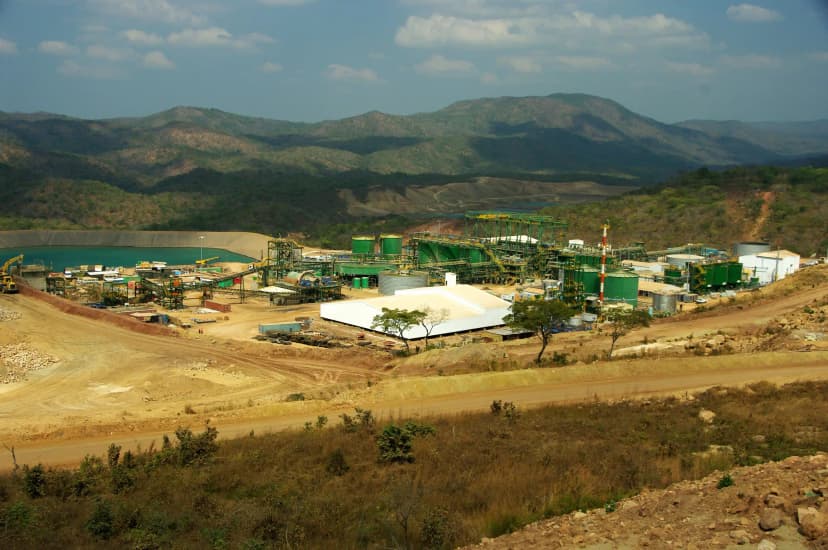
Lotus Resources (ASX: LOT) Surges as Selling Pressure Continues to Ease
Lotus Resources (ASX: LOT) jumped 14% to $0.66 as investors responded to improving uranium market sentiment and progress at its Kayelekera and Letlhakane projects. The company continues to ramp up production in Malawi while advancing plans to become a potential 5.5 M lb-per-year uranium producer.
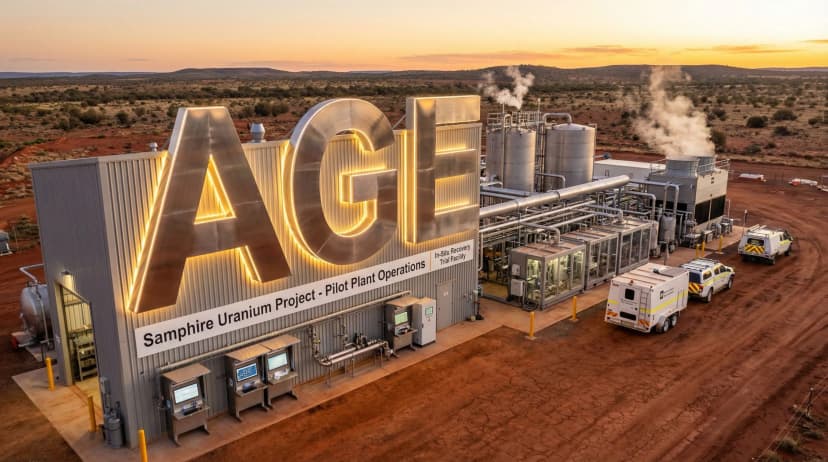
Alligator Energy (ASX: AGE) Breaks to $0.052 on Volume Spike as Uranium Momentum Returns
Alligator Energy surged to $0.052 on strong volume as global uranium sentiment improved. The breakout reflects renewed interest in early-stage producers amid tightening supply and optimism about nuclear demand. The company advances its Samphire ISR project and Big Lake exploration, which are still pre-revenue.
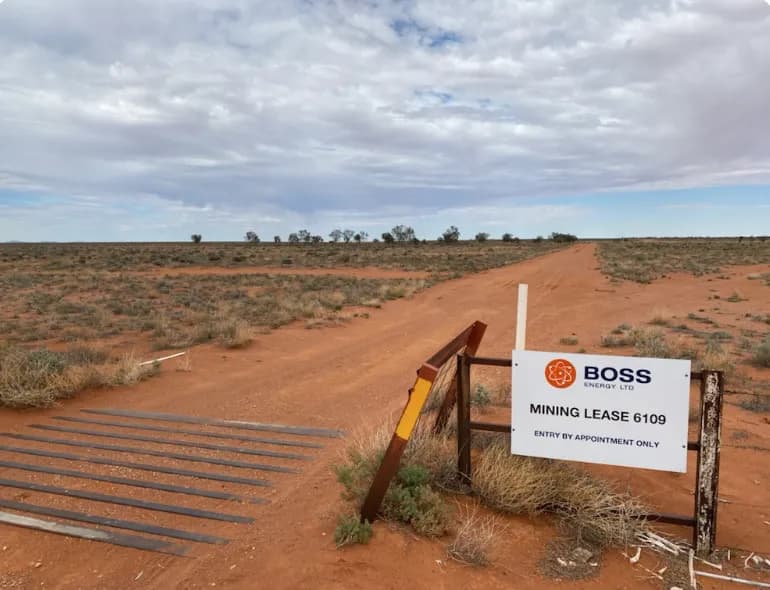
Boss Energy Ltd (ASX: BOE): Uranium Leverage Play at the Edge of Production Breakthrough
Boss Energy (ASX: BOE) is a uranium producer ramping up the Honeymoon Project toward ~2.4M lbs annual output. Earnings are highly leveraged to uranium prices and execution, with profitability expected as production scales, despite near-term volatility, cost pressures, and ramp-up risk.
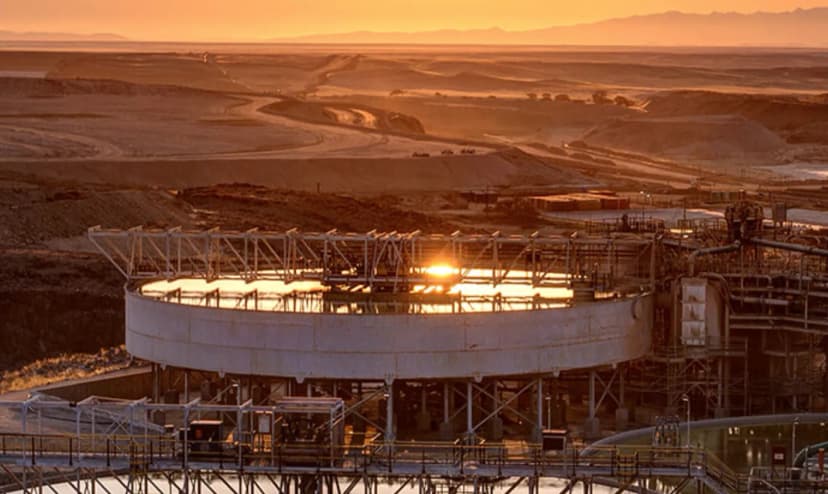
Paladin Energy (ASX: PDN): A Leveraged Play on the Uranium Price Recovery
Paladin Energy is a leveraged uranium producer centred on the restarted Langer Heinrich mine in Namibia. Its earnings are highly sensitive to uranium prices, making the stock a direct play on the nuclear fuel cycle. Future growth could come from the large Patterson Lake South project in Canada.
Best uranium stocks on the ASX: Fueling the Global Energy Future
Uranium Stocks are publicly traded companies whose business revolves around the element uranium, mining it, processing it, or supplying it for nuclear power. At their core, these are firms tapping into the fuel that powers atomic reactors and plays a role in global energy, not unlike oil or gas stocks but more niche and tied to the nuclear cycle. For investors, the Best uranium stocks on the ASX represent a specialized entry into the future of electricity.
This strategic report is developed by our senior energy analysts and commodities researchers, drawing on over 25 years of experience in global nuclear fuel procurement and ASX mining valuations.
What makes investment in the Uranium Stocks attractive?
Here are drivers that have a positive outlook for uranium-related companies, supporting the case for strategic uranium stocks for nuclear power:
1. Growing global demand for nuclear power
One of the strongest attractions of uranium stocks is the rising need for nuclear energy generation. The World Nuclear Association (WNA) projects that reactor requirements for uranium will more than double by 2040, supported by emerging technologies like small modular reactors (SMRs). This matters for uranium miners because more reactors mean more raw uranium demand, which tends to boost the commodity price and the revenues of companies that extract or process it, positioning them as high growth Australian uranium miners.
2. Supply constraints and structural deficits
On the flip side of demand, the supply side in the uranium market is quite tight. Many sources show that primary mine production isn’t keeping pace with overall reactor demand, especially as secondary sources (like stockpiles or excess supply) are being drawn down. This structural deficit is a core reason to track the Best uranium stocks on the ASX. Because uranium doesn’t just pop out of the ground overnight, the time, cost, and regulatory burden for starting new mines are high. The risk of a supply shortfall adds upside potential for companies already producing.
3. Favourable policy and geopolitical dynamics
Uranium is not just any metal. It’s part of the nuclear fuel cycle and, therefore, highly influenced by government policies, international relations, and security of supply. Companies operating in politically safe jurisdictions or with strong government backing may be better positioned as ASX uranium shares for clean energy transition. Governments that embrace nuclear power as part of their clean-energy transition can lift the sector.
4. Low-cost producers with pricing leverage
Within the uranium stock universe, those companies that can produce uranium at the lowest cost (commonly measured as “All-In Sustaining Cost ” or AISC) have the best shot at profitability when uranium prices rise. So as an investor, you’d want to examine the cost structure of the miner how expensive is it for them to extract and process uranium? This gives you a margin of safety when evaluating high growth Australian uranium miners.
5. Investor interest & market sentiment swings
Sometimes sectors outperform or lag not purely because fundamentals change immediately, but because investor sentiment shifts. Given its niche nature and links to commodity/energy cycles, the uranium sector is especially prone to these swings. For instance, when new data centres (for AI), grid-reliability concerns, and clean-energy targets hit the headlines, uranium stocks catch attention and see inflows. When uranium spot prices rise (or supply disruptions occur), the market reacts more zealously than the actual fundamentals might immediately justify, giving some shorter-term momentum to the Best uranium stocks on the ASX.
Areas for investment in the Uranium Stocks on the ASX
See where potential opportunities lie for those seeking strategic uranium stocks for nuclear power:
1. Producers / Near-term production
These are companies already mining or very close to mining, meaning they may benefit sooner if uranium prices rise.
Boss Energy Ltd (ASX: BOE) is a standout. It owns the Honeymoon uranium project in South Australia, aims for early production, and already has operations underway.
Paladin Energy Ltd (ASX: PDN) holds a significant stake in the Langer Heinrich mine in Namibia and is considered one of the larger ASX-listed producers.
2. Developers / Advanced Projects
These firms don’t necessarily have full production yet, but have advanced projects, feasibility studies, or established resources. These are often the high growth Australian uranium miners of the future.
Deep Yellow Ltd (ASX: DYL) is one of the more serious ones. It has two advanced projects (Tumas in Namibia and Mulga Rock in Western Australia) and targets production of several million pounds per annum.
Bannerman Energy Ltd (ASX: BMN) is listed in the top ASX uranium stocks and has a flagship project (Etango in Namibia) aiming for commercial production in the coming years.
3. Exploration and Technology / Enrichment / Fuel-cycle
Companies that either explore for uranium (higher risk) or specialise in the fuel cycle, enrichment, or technology side, rather than simply mining. This area is critical for the ASX uranium shares for clean energy transition.
Silex Systems Ltd (ASX: SLX) is an example of the technology/enrichment side: its share price jumped ~64 % in a month due to an update on its uranium-enrichment tech.
Aura Energy Ltd (ASX: AEE) is listed among ASX uranium stocks to watch. It focuses on development/exploration, e.g., the Tiris project in Mauritania, and has more risk but also a bigger potential length of payoff.
Which area offers better opportunities?
From a risk-vs-reward viewpoint, finding the Best uranium stocks on the ASX depends on your goals: If you want more moderate risk and a shorter time horizon, the producer/near-term bucket (Boss, Paladin) seems more appealing. They’re closer to cash flow and can benefit earlier if the uranium market tightens. If you’re comfortable with higher risk and want bigger upside, the developer/exploration/technology bucket offers that. A positive discovery or milestone could push the share price hard. Also consider diversification across these sub-sectors: having one near-term producer (for stability) and one high-upside exploration/tech company (for growth) could balance your portfolio. Importantly, regulatory changes, uranium-price swings, and mine production surprises will affect all these buckets. The mining/production side tends to buffer downside a little more, while the exploration/tech side tends to swing harder in both directions.
How do you find top-performing Uranium Stocks on the ASX?
When seeking top-performing uranium stocks on the ASX, you’re navigating a market that combines commodity cycles, technical risk and long-horizon project development.
Production cost and margin: One of the first things to check for a uranium producer is their all-in sustaining cost (AISC): extracting, processing, and maintaining uranium production. This metric is crucial for producers because the company’s profitability depends heavily on the gap between the uranium price (term contracts or spot) and the AISC.
Project/deposit quality and jurisdiction risk: For companies either producing or developing uranium projects, the quality of the deposit (grade, size, mining method) and the political/regulatory environment matter a lot. High-grade deposits reduce the cost of extraction, and being in a stable, mining-friendly jurisdiction reduces execution risk for strategic uranium stocks for nuclear power.
Supply-demand fundamentals and contract visibility: Since the uranium market is about individual companies and global supply and demand dynamics, this factor plays a dual role: it influences commodity price and investor sentiment.
Financial health, dilution risk & management credibility: Even if a company has extraordinary geology and favourable market conditions, it matters whether it can fund itself, avoid excessive dilution, and execute its plans.
What can go wrong with investing in Uranium Stocks companies?
Investing in uranium-related stocks may carry strong upside potential, but equally pronounced risks exist for the Best uranium stocks on the ASX:
1. Commodity-price & market volatility risk
Even if underlying fundamentals (like long-term demand) appear favourable, uranium mining stocks are highly sensitive to fluctuations in both the uranium commodity price and market sentiment. For example, the price of uranium is influenced by term contracts (which move slowly) and spot markets (which can swing rapidly), creating a lag or mismatch in how companies respond. A mining company might budget for a uranium price of US$70/lb, but if the spot price falls back to US$45/lb (or utilities delay contract renewals), revenues shrink and margins disappear. For an investor, even technically “good” companies can suffer significant drawdowns if price momentum reverses. Remember – the uranium price can move counter-intuitively. A supply-shortage narrative doesn’t instantly translate into higher prices, and stocks often overreact to periods of negative news.”
2. Execution, project and operational risk
Many uranium stocks (especially developers and explorers) depend on large, capital-intensive projects with long lead times and significant execution complexity. This is a primary concern for high growth Australian uranium miners. A company may promise a mine start-up in 24 months, but due to technical hurdles (water management, freeze-walls, regulatory delays), the timeline slips to 36–48 months. Costs rise, investor patience wanes, and the stock price can collapse despite long-term promise.
3. Regulatory, environmental & social licence risk
The uranium sector is uniquely exposed to regulatory and environmental-public-perception risks. Mining radioactive materials triggers higher scrutiny, longer permitting, community opposition, and potential policy reversals. Here’s what that looks like:
A jurisdiction might tighten permitting rules after a publicised environmental incident, delaying a project by years.
Local communities or indigenous groups might oppose tailings dams or mining in sensitive areas, adding reputational and legal costs.
Governments might change nuclear-fuel policy (e.g., slowing down reactor build-outs), reducing demand.
4. Funding, dilution & financial health risk
Because many uranium companies are developers or explorers (rather than cash-flowing producers), they often require substantial capital to progress projects. This means risk of share dilution or debt expansion. What this means practically: If a company needs US$100 m to build a mine and only has US$30 m, it will likely issue new shares (dilution) or take on debt (interest risk), which can hurt existing shareholders. A string of poor news (project delay, cost overrun) may reduce investor appetite, forcing more dilution at weak prices. If a company has weak financials, it may be unable to scale when the uranium price moves.
5. Supply chain, geopolitical & strategic risk
Given uranium’s role in nuclear energy and national security considerations, the sector is exposed to geopolitical tensions, supply-chain disruptions, and sovereign risk. Hyped-up uranium investors face political fallout risk. Practical examples: A major uranium-producing country might impose export restrictions or nationalise mines, disrupting supply and undermining producer plans. Sanctions or trade restrictions (e.g., banning certain foreign uranium imports) may unexpectedly alter global cost and supply dynamics. Infrastructure (enrichment, conversion) often exists in a few countries; disruptions or policy shifts can ripple through the entire industry.
FAQs on Investing in Uranium Stocks
Which stocks are referred to as Uranium Stocks?
Uranium stocks are publicly listed companies that mine, explore, develop, or process uranium, which is used as fuel for nuclear power generation. Many are considered the Best uranium stocks on the ASX.
What makes investment in the Uranium Stocks attractive?
Growing demand for nuclear energy, tight global supply, supportive policies, and improving sentiment toward clean energy make uranium stocks appealing for long-term investors. They are vital for the ASX uranium shares for clean energy transition.
What are some high-risk factors associated with investing in the Uranium Stocks?
Major risks include volatile uranium prices, regulatory and environmental hurdles, funding challenges, project delays, and geopolitical uncertainties affecting supply chains. Even high growth Australian uranium miners must navigate these complexities.