

Iron ore Stocks

Fortescue (ASX: FMG) Share Price Is Climbing Again as Iron Ore Momentum Returns to the ASX
Fortescue (ASX: FMG) shares have rebounded on stronger iron ore prices, improving Chinese demand and solid shipments. Sentiment is also lifted by dividends and production strength, while its green energy transition and decarbonisation plans support long-term growth above A$20 momentum.
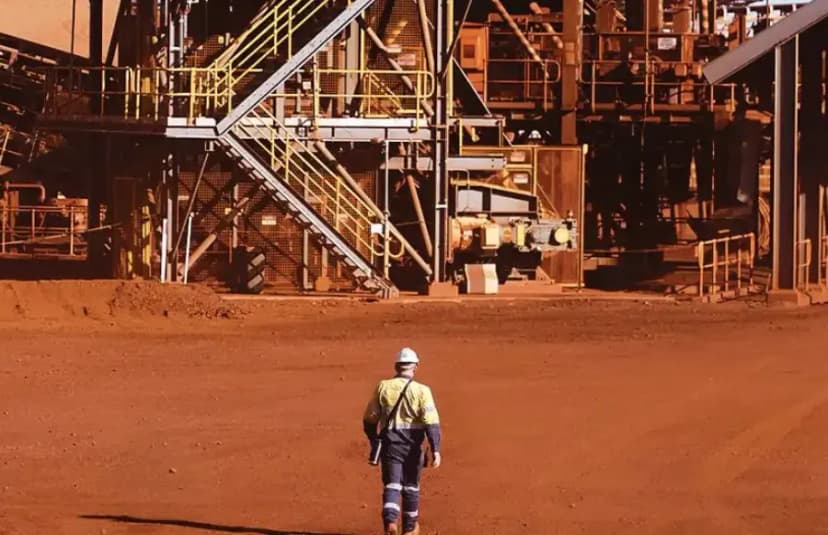
Mineral Resources (ASX: MIN): An undervalued ASX miner facing an important resistance level
Mineral Resources is emerging from a heavy investment phase as the Onslow Iron project reaches scale, driving a sharp recovery in earnings and cash flow. With iron ore production ramped up and lithium assets backed by a major POSCO partnership, the business is now showing the financial benefits of years of expansion. Despite the turnaround, the stock still appears undervalued relative to its long‑term earnings, cash‑flow potential, and asset base.
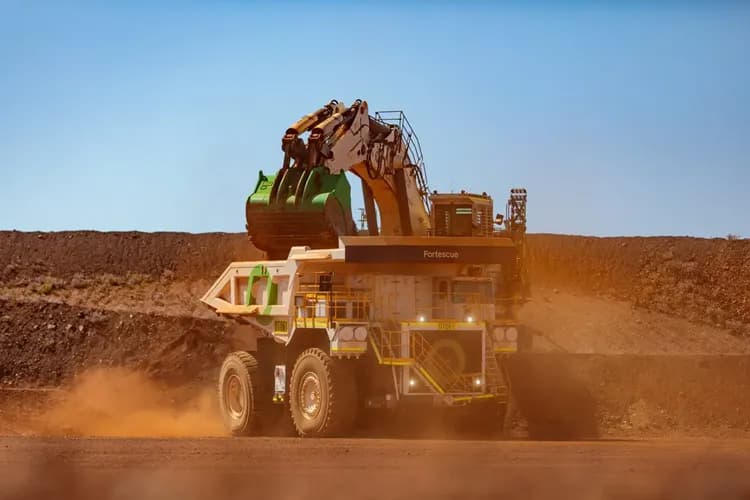
Fortescue Ltd (ASX: FMG): Strong Cash Flows and Dividends in a Cyclical Iron Ore Market
Fortescue Ltd is a low-cost iron ore producer with strong cash flow and attractive fully franked dividends, but earnings remain highly exposed to iron ore prices and Chinese demand. Trading around mid-cycle valuation levels, the stock looks fairly valued, with upside dependent on stronger commodity prices and successful expansion into magnetite and green energy.
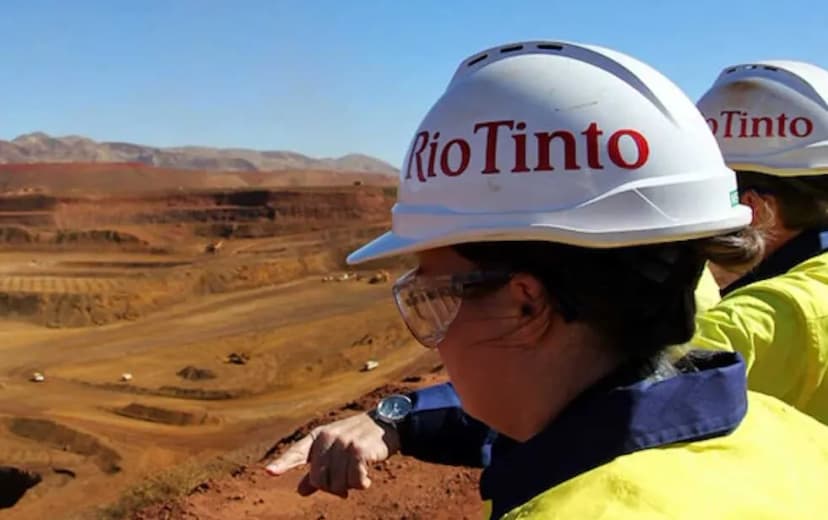
Rio Tinto (ASX/LSE: RIO) - A Global Materials Engine Re Accelerating into a New Cycle
Rio Tinto appears to be entering a strategically attractive new phase, evolving beyond its historic reliance on Pilbara iron ore into a diversified, multi-commodity growth platform. With expanding exposure to copper, lithium, high-grade iron ore and aluminium, alongside a stabilising cost base and strong balance sheet, the company increasingly looks positioned for asymmetric upside through 2026–2028 rather than a mature, iron ore–centric producer.
Investing in ASX Iron Ore Stocks: A Complete Guide
What are Iron Ore Stocks? Iron ore stocks refer to publicly traded companies involved in the extraction, processing, and sale of iron ore, a key raw material in steel production. These stocks are part of the broader materials sector and are influenced by global demand for steel, particularly from industries like construction and manufacturing.
The iron ore industry encompasses several sub-sectors, including mining companies, processing plants, and logistics firms that handle transportation and export. Major players in this sector include BHP, Rio Tinto, and Fortescue Metals Group, all of which have significant operations in Australia's Pilbara region. For those considering investing in ASX iron ore stocks, understanding the dynamics of this massive export industry is essential.
Is Iron Ore a Good Investment? (What Makes It Attractive?)
Investing in iron ore stocks is appealing due to several key factors that influence their performance and suggest potential for future growth. While iron ore stocks are subject to iron ore price volatility, these factors contribute to their investment attractiveness and potential for future performance.
1. Global Steel Demand
Iron ore is a primary component in steel production. As global infrastructure projects and industrial activities expand, particularly in developing countries, the demand for steel, and consequently iron ore remains strong.
2. China's Economic Policies
China is the largest consumer of iron ore. Its economic policies, especially those related to construction and manufacturing, significantly impact iron ore demand. Recent stimulus measures aimed at reviving the property sector could bolster steel production, thereby increasing iron ore consumption.
3. Supply Constraints
Major iron ore producers, such as Australia and Brazil, occasionally face production disruptions due to weather events or logistical challenges. These supply constraints can lead to higher iron ore prices, benefiting mining companies' revenues.
4. Technological Advancements
Investments in mining technology and infrastructure have improved operational efficiency for iron ore companies. Enhanced extraction and processing techniques reduce costs and increase profit margins.
5. Dividend Yields
Many iron ore companies offer attractive dividend yields, providing investors with regular income. This feature is particularly appealing in low-interest-rate environments and for those seeking high-yield dividend stocks.
6. Environmental Initiatives
The push for greener steel production methods is prompting investments in high-grade iron ore, which requires less energy to process. Companies focusing on sustainable practices may gain a competitive edge in the evolving market.

Iron Ore Mining Companies on the ASX (Areas for Investment)
Investing in iron ore stocks on the Australian Securities Exchange (ASX) offers exposure to various sub-sectors within the mining industry, each presenting distinct opportunities and risks. Understanding these sub sectors can help investors make informed decisions.
1. Major Diversified Miners
These companies have extensive operations across multiple commodities, providing a buffer against volatility in any single market.
BHP Group Ltd (ASX: BHP): BHP is one of the world's largest mining companies, with a balanced portfolio that includes iron ore, copper, coal, and nickel. Iron ore contributes almost half of its revenue. The company's diversification strategy aims to mitigate risks associated with commodity price fluctuations.
Rio Tinto Ltd (ASX: RIO): Rio Tinto is another global mining giant, with iron ore accounting for about 60% of its revenue. The company also has significant operations in aluminium, copper, and other minerals.
2. Pure-Play Iron Ore Producers
Companies focusing solely on iron ore can offer higher returns during market upswings but may also be more susceptible to downturns.
Fortescue Metals Group Ltd (ASX: FMG): Fortescue is a leading pure-play iron ore producer, with approximately 95% of its revenue derived from iron ore. The company is also investing in green energy initiatives, such as hydrogen projects, to diversify its operations.
Champion Iron Ltd (ASX: CIA): Champion Iron operates high-grade iron ore mines in Canada. The company's focus on premium grade iron ore positions it well to meet the demand for higher-quality inputs in steel production.
3. Emerging and Junior Miners
Smaller companies in the exploration or early production stages can offer significant upside but come with higher risk.
Mount Gibson Iron Ltd (ASX: GBX): Mount Gibson Iron is an Australian producer of high-quality direct shipping grade iron ore products. Its flagship project is the Koolan Island iron ore mine, located in the Kimberley region of Western Australia.
Lincoln Minerals Ltd (ASX: LML): Lincoln Minerals has announced a substantial magnetite resource on the Eyre Peninsula, aiming to support South Australia's green steel initiatives. The project is in early stages, and the company is seeking partners to advance development.
Investment Opportunities:
The iron ore sector's performance is closely tied to global steel demand, particularly from China. While major diversified miners offer stability, pure-play producers and emerging miners can provide higher growth potential. Additionally, the transition to green steel production presents new opportunities, with companies investing in high grade iron ore and sustainable practices potentially gaining a competitive edge.

How to Find Top-Performing Iron Ore Stocks on the ASX
Identifying top performing iron ore stocks on the Australian Securities Exchange (ASX) involves evaluating several key factors that influence a company's performance and potential for growth.
1. Production Costs and Profit Margins
Companies with lower production costs per tonne of iron ore are better positioned to maintain profitability during market downturns. For instance, Fortescue Metals Group (ASX: FMG) reported production costs of US$15.91 per tonne in 2023, while BHP (ASX: BHP) had costs of US$15.05 per ton.
2. Iron Ore Grade
Higher grade iron ore (above 62% Fe) is more desirable as it requires less processing and yields higher margins. Champion Iron (ASX: CIA) produces iron ore with a 66.2% Fe content, offering a competitive advantage in the market.
Expert Note: At Proactive Equities, we place a premium on "grade" and "cost curve positioning." High grade iron ore is crucial for green steel, and companies like Champion Iron that can supply it are future proofed. Simultaneously, being at the bottom of the global cost curve (like BHP and Rio) is the ultimate safety net when commodity prices cycle downwards.
3. Financial Health
Assessing a company's balance sheet, including debt levels and cash flow, is crucial. Companies with strong financials are better equipped to invest in growth opportunities and withstand market volatility.
4. Market Demand and Exposure
Understanding a company's customer base and market exposure helps gauge demand stability. Companies supplying to high-demand regions, such as China and India, may experience more consistent demand.
5. Diversification
Companies with diversified operations across multiple commodities can mitigate risks associated with iron ore price fluctuations. For example, BHP's portfolio includes copper and nickel, providing additional revenue streams.
6. Environmental, Social, and Governance (ESG) Practices
Companies committed to sustainable practices and ESG principles are increasingly favored by investors. Fortescue Metals Group's investment in green hydrogen projects exemplifies such commitment.

What are the Risks of Investing in Iron Ore Stocks?
Investing in ASX iron ore stocks can offer substantial returns, but it also carries several risks that investors should consider. Here are four key risks associated with such investments:
1. Iron Ore Price Volatility
Iron ore prices are highly volatile and influenced by global demand, particularly from China, which is the largest consumer. Economic slowdowns or policy changes in major markets can lead to significant price fluctuations, impacting the profitability of iron ore companies.
2. Operational and Environmental Risks
Mining operations are subject to various risks, including equipment failures, labor disputes, and environmental incidents. For example, Vale S.A. faced significant consequences following dam failures in Brazil, leading to environmental damage and financial penalties.
3. Regulatory and Geopolitical Risks
Changes in government policies, trade restrictions, or geopolitical tensions can affect mining operations and export markets. For instance, Australia's iron ore sector has been influenced by trade relations with China and global geopolitical dynamics.
4. Environmental, Social, and Governance (ESG) Concerns
Increasing emphasis on ESG factors means that companies with poor environmental practices or social governance may face investor scrutiny, regulatory penalties, or loss of market access. Mining companies are under pressure to adopt sustainable practices to meet stakeholder expectations.
Analysis: 3 of the Best ASX Iron Ore Stocks to Buy in 2025
BHP Group Ltd (ASX: BHP)
BHP Group Ltd is one of the world's largest diversified natural resources companies, headquartered in Melbourne, Australia. With operations spanning over 90 locations globally, BHP engages in the exploration, development, and production of a wide range of commodities, including iron ore, copper, nickel, metallurgical coal, and potash. BHP's iron ore operations are primarily based in Western Australia's Pilbara region, where it maintains a strong position as a low-cost producer. In the half-year ending December 2024, BHP reported an underlying profit of US$5.1 billion. While short-term earnings may face headwinds due to commodity price volatility, strategic investments in future-facing commodities like copper and potash position BHP for long-term growth.
Rio Tinto Ltd (ASX: RIO)
Rio Tinto Ltd is a leading global mining group engaged in the exploration, mining, and processing of mineral resources. Headquartered in London and Melbourne, the company operates in over 35 countries. Rio Tinto's primary commodities include iron ore, aluminium, copper, and critical minerals essential for the global energy transition. For the year ended December 2024, Rio Tinto reported an underlying EBITDA of US$23.3 billion and net earnings of US$11.6 billion. Operating cash flow stood at US$15.6 billion, supporting a full-year dividend payout of US$6.5 billion, maintaining a 60% payout ratio. Rio Tinto is advancing several growth projects, including the Western Range iron ore development in the Pilbara and the Simandou high-grade iron ore project in Guinea.
Deterra Royalties Ltd (ASX: DRR)
Deterra Royalties Limited is Australia’s largest listed mining royalty company, headquartered in Perth. Established in 2020 following a demerger from Iluka Resources, Deterra offers investors exposure to the resources sector through a royalty-based model, providing income without direct operational risks. The company's cornerstone asset is a royalty over Mining Area C (MAC), a major iron ore operation in Western Australia’s Pilbara region, operated by BHP. This asset contributes significantly to Deterra's revenue. As of May 2025, Deterra Royalties Ltd announced a dividend of A$0.09 per share. While Deterra's earnings are forecast to decline by approximately 2.7% annually over the next three years due to its reliance on a single major asset, the company's high return on equity (projected at 56%) and disciplined financial management make it an attractive option for income-focused investors.
FAQs on Investing in Iron Ore Stocks
Which stocks are referred to as Iron Ore Stocks?
Iron Ore Stocks are companies involved in mining and selling iron ore. Examples include BHP Group Ltd (ASX: BHP), Rio Tinto Ltd (ASX: RIO), and Deterra Royalties Ltd (ASX: DRR).
What makes investment in the Iron Ore Stocks attractive?
Strong global steel demand, supply constraints, high dividend yields, and technological improvements support long-term investment appeal.
What are some of the high-risk factors associated with investing in the Iron Ore Stocks?
Key risks include iron ore price volatility, regulatory changes, environmental liabilities, and operational disruptions.
Which are the best Iron Ore Stocks to buy now?
While BHP, Rio Tinto, and Deterra Royalties are attractive investments due to their robust businesses and market dominance, the volatile nature of the sector makes timing your entry crucial.