

Base Metals
.webp&w=828&q=75)
Lincoln Minerals (ASX: LML): Minbrie Copper System Sets Stage for Q4 2026 Diamond Drilling
Lincoln Minerals (ASX: LML) has identified additional copper and base-metals mineralisation at its Minbrie Project, with recent drilling supporting its geological model and diamond drilling planned for Q4 2026, positioning Minbrie for its next stage of exploration.

Resolution Minerals (ASX: RML)'s Nasdaq Debut Shines a Light on Horse Heaven
Resolution Minerals (ASX/Nasdaq: RML) commenced trading ADRs on Nasdaq to attract US institutional capital and federal support for its Idaho Horse Heaven critical minerals project, leveraging dual FAST-41 permitting status across its key antimony, tungsten, and gold prospects.
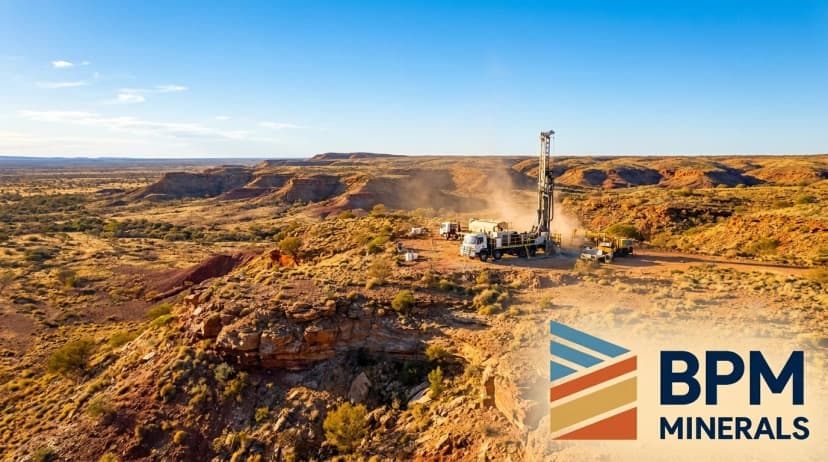
BPM Minerals (ASX: BPM): Forelands Gold Project Momentum Sparks a Chart Breakout
BPM Minerals (ASX: BPM) is drilling its flagship Forelands Gold Project, targeting a maiden resource at Beachcomber. Shares broke out above $0.24 on strong volume, though the stock remains a speculative early-stage explorer dependent on upcoming assay results.
.webp&w=828&q=75)
Golden Deeps (ASX: GED):10-Month Descending Channel Ends as High-Grade Graceland Results Surge
Golden Deeps is advancing deeper drilling at Graceland after encouraging copper, silver and zinc results. Fresh assays and new targets have strengthened interest in the Namibian exploration program, while upcoming drilling will test the discovery’s potential scale.
.webp&w=828&q=75)
Felix Gold (ASX: FXG) Surges Past Resistance on High Volume as US Antimony Extraction Momentum Accelerates
Felix Gold is advancing Alaskan antimony and gold assets, with potential US$18 million DOE pilot-processing funding driving investor interest. The non-dilutive funding could support domestic antimony supply, though project execution, permitting and financing risks remain.
.webp&w=828&q=75)
Sunrise Energy Metals (ASX: SRL): Syerston Expansion and Downstream Strategy Drive Structural Re‑rating
Sunrise Energy Metals (ASX: SRL) advances its Syerston Scandium Project toward FID, expands production scope, and deepens downstream exposure through U.S. semiconductor investment, positioning for structural re‑rating amid tightening scandium supply.
Top base metals stocks on the ASX: A Detailed Analysis
Base Metals Stocks Base Metals Stocks likely refer to those that produce daily industrial metals, such as copper, zinc, nickel, aluminium, and sometimes lead. These aren’t the flashy “precious” metals you see in jewellery ads. They’re the workhorses of the global economy, the materials that quietly hold up everything from power grids to smartphones to construction sites. For many, these represent the Top base metals stocks on the ASX.
EEAT Note: This industrial analysis is authored by our veteran commodities research team, specializing in the Australian resources sector and global supply chain dynamics to ensure the highest level of financial accuracy.
What makes investment in the Base Metals Stocks attractive?
Investing in base metals stocks can be surprisingly appealing, especially if you’re the type who likes to keep an eye on the “heartbeat” of the global economy. Their hand of powerful forces drive the performance of Global infrastructure spending.
1. Global infrastructure spending
Whenever governments ramp up construction, bridges, transit lines, and housing, demand for copper, steel, and aluminium jumps; it’s one of the clearest catalysts in the sector for identifying the Top base metals stocks on the ASX.
2. Electrification and clean-energy transitions
Copper and nickel, in particular, are essential for EVs, batteries, and renewable energy grids. As the world leans harder into clean tech, these metals tend to ride the wave, positioning them as high growth ASX industrial metal companies.
3. Supply constraints
Mines take years (sometimes a decade) to develop. When demand rises faster than new supply, prices surge, lifting producers’ margins. This trend is central to copper and nickel mining shares Australia.
4. Industrial growth in emerging markets
Countries like India and Indonesia are still in heavy-build mode, which keeps long-term demand strong for the Top base metals stocks on the ASX.
5. Inflation hedging
Like many commodities, base metals often retain value better during inflationary periods, providing investors with a practical buffer when prices elsewhere rise.

Areas for investment in the Base Metals Stocks on the ASX
When considering investment opportunities in metals stocks on the ASX, it helps to break the sector into a few subsectors, highlight some prominent stocks, and then determine which areas offer better opportunities going forward. Here’s a look at three major subsectors that define the Top base metals stocks on the ASX.
1. Copper-focused large producers In this category, you find major diversified miners that have meaningful exposure to copper (and other base metals). For example, the BHP Group Limited (ASX: BHP) is a standout. Also, Tinto Limited (ASX: RIO) has been re-listed among the ASX-listed copper companies. Why this area is interesting: Because copper is central to the energy transition (EVs, renewables, grids) and, with supply constraints widely discussed, large miners with diversified operations and strong copper assets offer a relatively lower-risk entry point into base metals. Their valuations may already reflect part of that story, and exposure to other commodities may dilute the pure copper upside.
2. Nickel/cobalt / transition-metals assemblage Another sub-subset of companies focused on nickel (and sometimes cobalt) is increasingly relevant for batteries and elecelectric vehicles. Why this area may offer more substantial upside: Because nickel (and battery metals) have a more explicit linkage to EV/battery growth, they may offer higher growth potential (though also higher risk) compared to large diversified miners. These stocks may be smaller, more exploration or development-stage, rather than established producers, and more sensitive to metal price swings or project execution risk. Many of these are sought after as copper and nickel mining shares Australia.
3. Aluminium/bauxite / other “industrial” base metals A third area covers metals less glamorous than copper/nickel but still important, e.g., aluminium and bauxite. For example, Ina Limited (ASX: AWC) is involved in bauxite/alumina upstream operations. Why this area might matter: Aluminium is a fundamental industrial metal, used across transport, packaging, and construction. In periods of general infrastructure build or manufacturing growth, it may benefit. These include some of the best bauxite and aluminium stocks ASX investors watch. Also, some “next generation” materials (e.g., high-purity alumina) are being studied. Also, these stocks may be more exposed to energy cost pressures (aluminium smelting is energy-intensive), which can hurt margins.
Which area offers better opportunities?
From our view: MediMedium-to-smallkel/battbattery-metalys could offer the highest upside if you believe the EV/battery transition accelerates, and companies with direct exposure to nickel/cobalt could grow strongly. Large copper-exposed diversified miners are a preferred stable, lower-risk avenue for investors seeking metal exposure without taking on too much exploration or project risk, often being the Top base metals stocks on the ASX. Aluminium/bauxite stocks might offer interesting niche or value plays (especially if energy costs fall or industrial demand rebounds), u they may be less of a “growth story” compthan battery metals short: if you had to pick one, we’d lean nickel/battery-metals as the “outperformer” in an accelerating transition scenario, but you’d hedge with a big player in copper for stability.
How to find top-performing Base Metals Stocks on the ASX?
Finding Top base metals stocks on the ASX isn’t just about spotting who had a good quarter. It’s more like piecing together a broader story, how strong the company is today, how resilient it might be tomorrow, and what the world around it is demanding. Here are factors that matter most, each with some real-world texture rather than textbook theory for high growth ASX industrial metal companies.
1. Production Quality, Cost Structure & Mine Life One of the first things seasoned investors look for is how efficiently a company produces its metal. A miner with low operating costs can stay profitable even when metal prices dip, something you really appreciate during those inevitable commodity downturns. A project with a 20-year runway offers stability and expansion potential, whereas a short-life mine puts pressure on management to keep discovering or acquiring new deposits. So, when researching copper and nickel mining shares Australia, pay attention to annual production guidance, all-in sustaining costs (AISC), and whether the company has exploration upside around its existing projects. These small details often separate the steady compounders from the high-risk fliers.
2. Exposure to High-Demand Metals and Global Themes Not all base metals rise together. Copper , for example, tends to benefit from electrification and grid expansion, while nickel and cobalt ride the battery-materials boom. Zinc leans more on construction cycles. Before buying anything, take a moment to connect a company’s primary metal to a broader global trend to find the Top base metals stocks on the ASX. If the world is hungry for EVs, a nickel-focused miner might deserve a spot on your watchlist. If governments are pouring billions into infrastructure, copper and aluminium players could shine. The key is aligning your investment with demand that isn’t just seasonal but structural.
3. Financial Strength & Balance Sheet Resilience Mining is capital-intensive, unpredictable, and occasionally brutal. That’s why companies with strong balance sheets, manageable debt, and healthy cash flow tend to outperform over the long run. When commodity prices fall (and they always do at some point), weaker miners scramble to raise capital or delay projects, while stronger ones quietly keep building value. Look at cash reserves, debt-to-equity ratios, hedging strategies, and how much of their profit gets reinvested into future growth. A sturdy financial base doesn’t guarantee success. Still, it drastically improves a miner’s ability to survive volatility and take advantage of opportunities, whether that’s acquiring distressed assets or pushing forward with expansions when competitors can’t. This is essential for high growth ASX industrial metal companies.
4. Jurisdiction, ESG Track Record & Management Quality You can have the best ore body in the world. Still, if it’s in a politically unstable region or the company’s environmental practices are questionable, the investment quickly becomes a headache. ASX investors generally prefer projects in Australia because of the regulatory stability, but many miners have international operations. Check the jurisdiction risks: permitting timelines, taxes, labour relations, and community expectations. Equally important is the management team. Do they have a track record of bringing projects online on schedule? Are they transparent during tough periods? Good leadership shows up not in press releases but in consistent execution. ESG also isn’t just a buzzword anymore; poor environmental or social performance can halt operations or trigger costly fines. Investors who ignore these “softer” factors often regret it later when selecting the Top base metals stocks on the ASX.

What can go wrong with investing in Base Metals Stocks companies?
Investing in base metals stocks can be rewarding, but it’s definitely not a smooth, predictable ride. Here are risks that often catch investors off guard:
1. Commodity Price Volatility Base metals move in cycles, sometimes brutally so. Prices can swing on anything from global manufacturing data to whispers about Chinese industrial demand. When prices drop, miners feel it instantly, revenues shrink, margins compress, and expansion plans get shelved. Even the Top base metals stocks on the ASX are susceptible. Even high-quality companies struggle during prolonged downturns. What makes this risk tricky is that the price drivers aren’t always rational or predictable; sentiment and speculative trading can amplify movements. Investors who buy at the top of a cycle often find themselves sitting on losses for years, waiting for the next upswing. So, if you’re considering base metals stocks, you need to be comfortable with volatility and willing to hold through rough patches. It’s not a space for those who panic easily.
2. Operational & Production Risks Mining isn’t just digging rocks; it’s a complex industrial process with countless points where things can go wrong. Equipment failures, labour shortages, unexpected geological conditions, flooding, and technical mishaps can halt production or send costs soaring. Even seasoned operators aren’t immune; declining ore grades, processing bottlenecks, or delays in opening new pits can lead to disappointing results. These issues often show up suddenly, and by the time investors hear about them, the damage is already priced in. Operational risk is why investors usually pay a premium for companies with consistent performance, strong on-the-ground teams, and backup plans. But even then, mining remains an unpredictable business.
3. Regulatory, Environmental & Social Risks Base metals companies operate under intense regulatory scrutiny. From securing permits to meeting environmental standards, one policy change or community dispute can derail projects. Governments can increase royalties, tighten ecological rules, or slow down permitting, sometimes without warning. Environmental missteps can be even more damaging; tailings dam failures or pollution issues not only create massive financial liabilities but can also permanently tarnish a company’s reputation. More investors now factor ESG performance into their decisions, meaning companies with weak environmental or social records may struggle to attract capital. All of this adds an element of political and social uncertainty. Even miners operating in stable countries like Australia aren’t exempt from regulatory tightening, especially as environmental standards continue to rise.
4. Capital Intensity & Funding Risks Mining projects are expensive, often eye-wateringly so. Developing a single mine can cost hundreds of millions, sometimes billions, before a company generates a dollar of revenue. Smaller ASX-listed miners frequently raise capital by issuing new shares or taking on debt. If market conditions turn sour or metal prices slump, raising funds becomes difficult, expensive, or dilutive for the Top base metals stocks on the ASX. Even established producers aren’t immune; expansions and upgrades can go over budget or take longer than expected. In a rising interest-rate environment, borrowing becomes more painful, squeezing margins further. This financing risk often forces companies to scale back ambitions or postpone growth plans, which can lead to investor disappointment and share-price weakness.
5. Global Economic Slowdowns Base metals are tied directly to economic activity, construction, manufacturing, infrastructure, and energy. When the global economy slows, demand for metals tends to drop. A slowdown in China, for example, has historically sent shockwaves through the sector because of its massive appetite for industrial commodities. Even if a company is operationally strong, its fortunes can decline simply because fewer buildings are being constructed or fewer cars are rolling off assembly lines. These downturns can be long and uneven; recovery isn’t always quick or predictable. During significant slowdowns, miners often respond by cutting production, delaying new projects, or lowering dividends, all of which pressure share prices. It’s one of the most unavoidable risks in the sector: no matter how good a mine is, it can’t escape the broader global economy. For investors, the challenge is recognising where we are in the cycle and managing expectations accordingly.

FAQs on Investing in Base Metals Stocks
Which stocks are referred to as Base Metals Stocks?
They’re companies involved in producing industrial metals like copper, nickel, zinc, and aluminium, mainly miners, refiners, and metal manufacturers. Many of these are considered the Top base metals stocks on the ASX.
What makes investment in Base Metals Stocks attractive?
Their growth is tied to major global trends, including infrastructure spending, clean-energy transitions, supply shortages, and rising demand from emerging markets. This makes them high growth ASX industrial metal companies.
What are some of the high-risk factors associated with investing in Base Metals Stocks?
Prices can swing sharply, operations can face disruptions, regulations may tighten, and global slowdowns can quickly drag down profits and share prices. Monitoring copper and nickel mining shares Australia requires awareness of these factors.